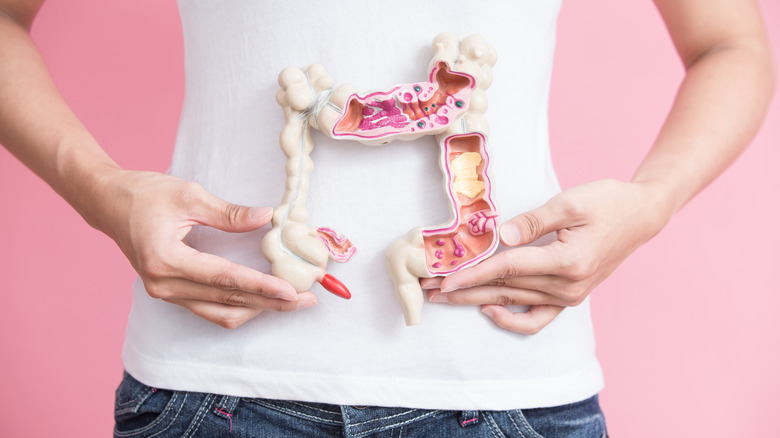
Your gut is somewhat of a miracle.
According toHealthline, your gut microbiome refers to the hundreds of bacteria species making their home in your gut.
Their job is mainly to keep your body healthy, so it functions as it should.
Consuming excessive amounts, however, is a completely different story.
So, what exactly classifies as binge drinking?
We’re glad you asked!

According to the2020-2025 Dietary Guidelines for Americans, women shouldn’t consume more than one drink daily.
For men, it’s two.
If you’re indulging in more than that per day, your gut might not be too pleased.

That doesn’t mean that alcohol is all bad, though.
Astudyfound that drinking red wine in moderation can actually increase the good bacteria in the gut.
If you’re constantly feeling bloated, your sedentary day-to-day lifestyle might be to blame.
Clare Morrison, a general practitioner, spoke toHuffPostabout the effect of sitting on the digestive system.
She said that our bowels can’t function as effectively when we sit.
Luckily, exercise can combat this bowel slump, so to speak.
Onestudyshows that exercising regularly can actually alter your gut flora in a good way, making it more diverse.
However, it also appears to affect gut health.
It’s clear that smoking has an adverse impact on the gut.
The long-term effect of this change, however, is not yet clear.
Antibiotics are effective because they attack and kill harmful bacteria.
In doing so, antibiotics also kill beneficial bacteria.
This means that sudden bout of diarrhea or nausea is not a coincidence.
Therefore, it’s best to only take antibiotics when they are your only option.
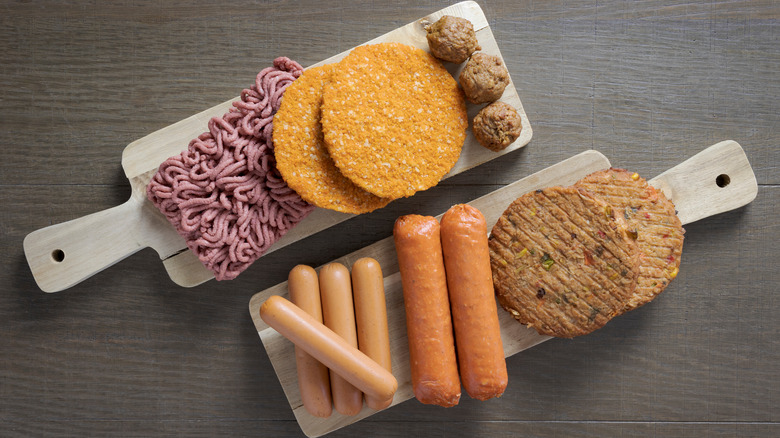
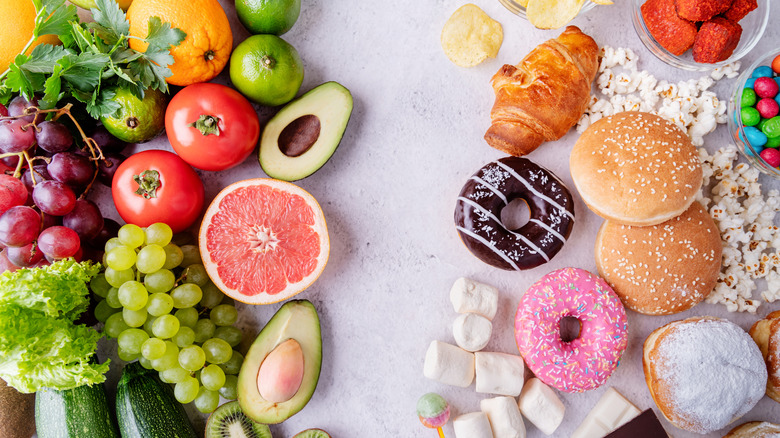
The result will not be the same, however, if you eat a diverse range of processed foods.
This is mostly because processed foods contain tons of salt, sugar, and fats.
Eating these foods also exposes your gut to added preservatives and chemicals you probably can’t even pronounce.
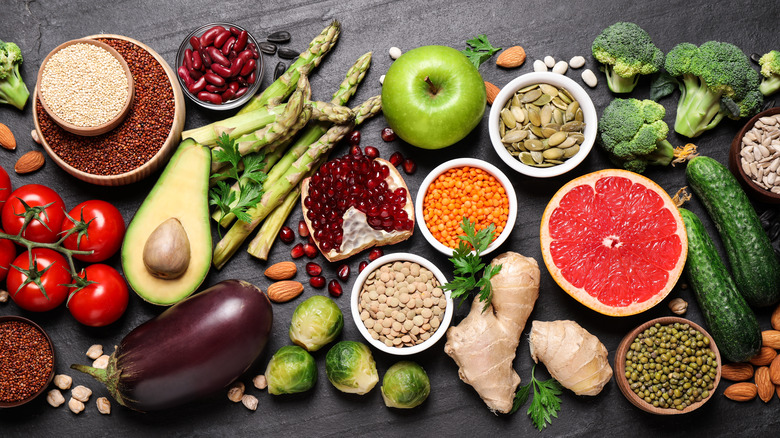
Anotherstudyfound that people who meet the required vegetable intake lower their risk of developing IBD.

This does not mean, however, that you better cut out all sugars.
In fact, that is a pretty bad idea.
Registered Dietician Brigitte Zeitlin toldWell+Goodthat people should rather look to healthier sources for their sugar fix.

Many vegetables, fruits, and grains contain sugars that are good for you.
It’s the added sugar you oughta steer clear of since that is what usually causes inflammation.
Gastroenterologist Will Bulsiewicz agrees with Zeitlin.
He explained that the data from various studies suggest that the added sugars damage the microbiome.
If you’re really craving candy, opt for healthy snacks such as yogurt or fruit bars.
Instead, it serves as food for the bacteria in our gut, also known as probiotics.
If you struggle with constipation, eating moreprebiotic-containing foodsmight help, according toWebMD.
This is because prebiotics can help balance your gut bacteria so the good flora can thrive.
This can also help reduce any inflammation you might experience in your gut.
According toHarvard Health Publishing, stress can directly impact the gut and worsen symptoms like stomach pain.
Interestingly enough, experiencing gastrointestinal issues can also lead to more stress.
This is due to what scientists call the brain-gut axis.
For some people, it might even lead to long-term issues like irritable bowel syndrome.
In turn, digestion slows or stops completely, causing uncomfortable conditions like stomach pain and gastrointestinal upset.
Much like stress, lack of sleep can affect your gut negatively and vice versa.
Not drinking enough fluids can lead to constipation
Suffering from chronic constipation?
It’s probably your gut trying to tell you it’s thirsty!
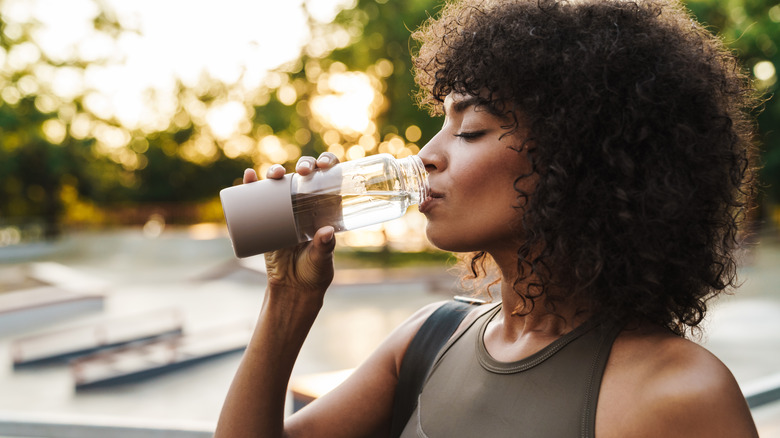
According toHealthline, water is imperative to keep your gut bacteria balanced.
Failing to drink enough water tends to manifest as constipation, which can become chronic, according toWebMD.
This results in dry, hard stools.
The fix is fairly easy: Drink more water.
And, if you’re desperate to get things moving again, try mineral water.
To keep your gut happy, have a go at consume enough fluids throughout the day.
And, so you know, it doesn’t just have to be water.
you’ve got the option to opt for drinks like herbal teas and vegetable juices.
Fruit juice might seem like a great idea, but, unfortunately, it contains a lot of sugar.
So, drink up!
