It is often cheap, inefficient, and, most importantly to businesses, profitable.
It would seem that the trade-off for trendy comes at the price of sustainability.
Fast fashion is costing us our beautiful planet but fear not!
Some brands are changing the game.
Allbirds footwear ranges from around $90 to $165.
Apparel and accessories start at around $12 and cap out at around $120 for pullovers.
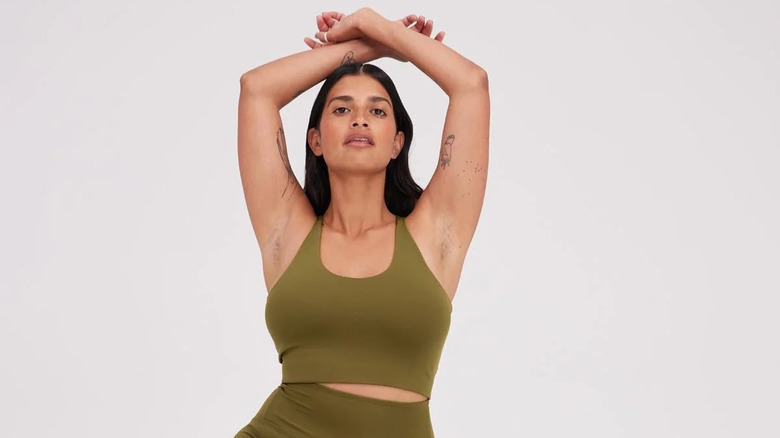
Girlfriend Collective offers an array of sustainably stylish athleisure gear and swimwear.
), and intimates.
Undergarments begin at around $18 and coats max out at around $300.
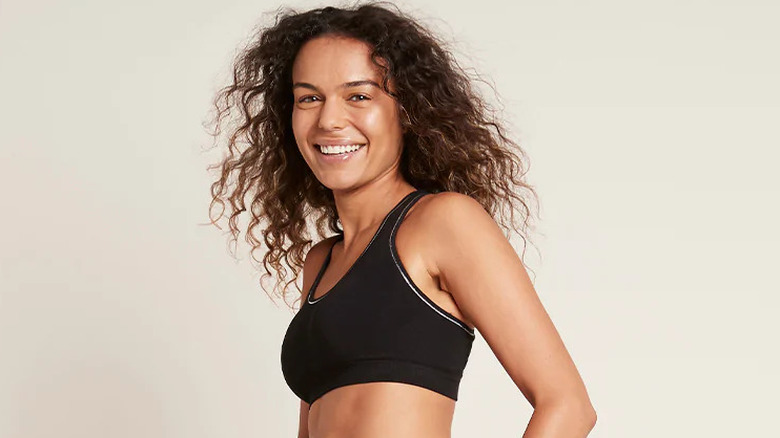
Thecompanyasserts: “Boody emphasizes quality and simplicity.
We bypass trends and fads as we believe they lead to overconsumption and waste.”
In one of Boody’s most popular ad campaigns, the famous and beloved Dr. Jane Goodall is featured.
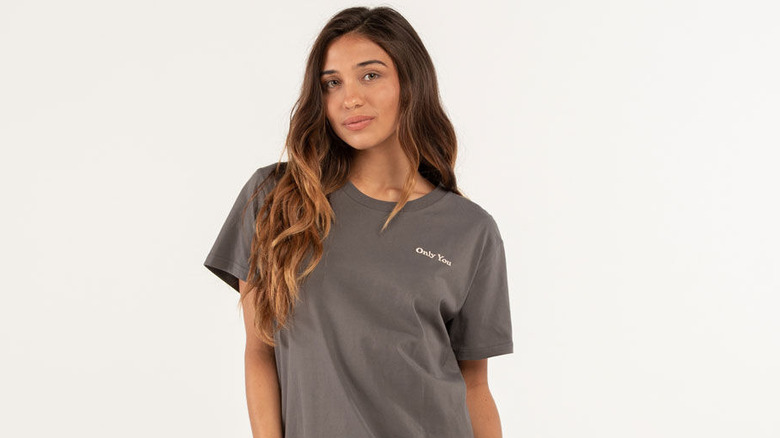
to around $110 for some of their larger pieces, like jackets.
The name of the company is an homage to its effort to offset its carbon footprint.
A major draw of Tentree is how they engage their customers in sustainability efforts.
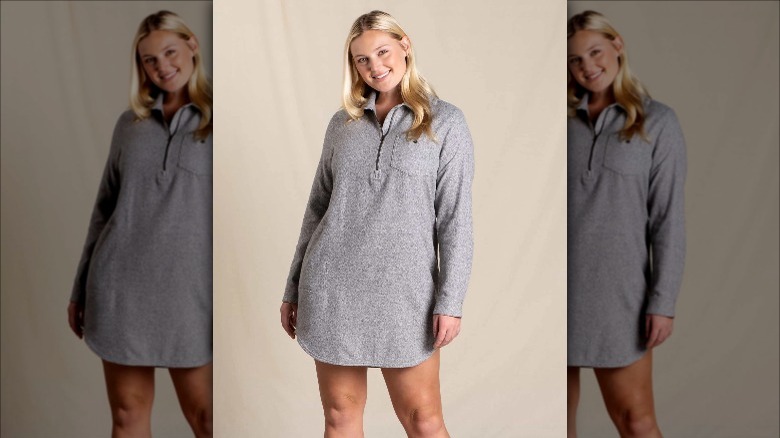
They offerClimate+monthly subscription plans, which offset carbon footprints.
For $9 CAD (approximately $7 USD) per month, a customer can contribute 13 trees.
The company also offers additional offset packages great gift ideas for the eco-conscious consumer.
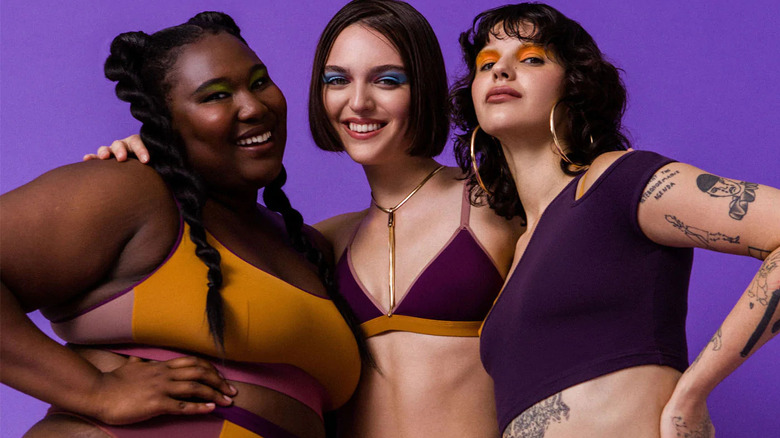
Tentree offers women’s clothing, activewear, loungewear, and accessories, starting at $18.
Kids' clothing ranges from $20 to $50.
The online store features dresses, pants, button-downs, sweaters, jackets, and overalls and plenty more.
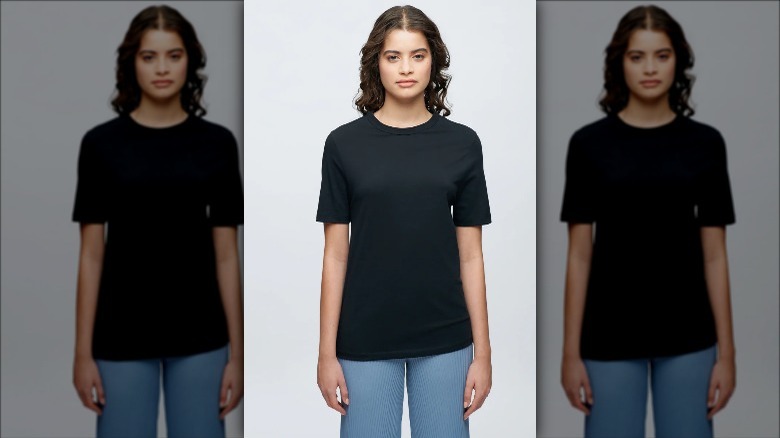
Thematerialsused range from organic cotton to hemp to recycled fabrics.
According toBusiness of Fashion, Parade is committed to inclusivity and helping the planet.
By 2023, however, Parade aims to use 100% recycled materials.
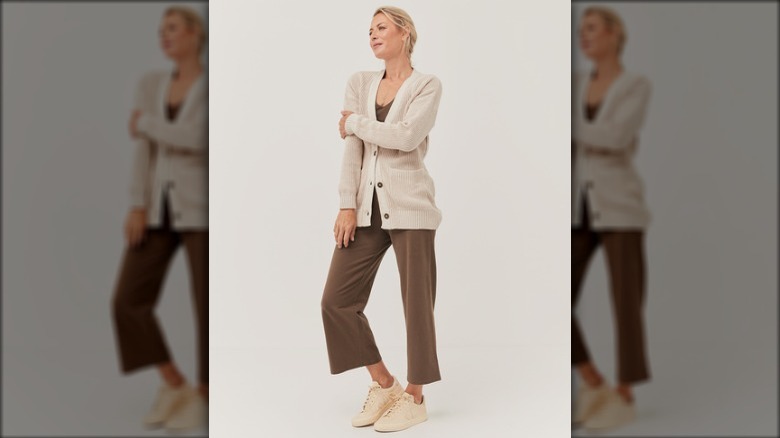
Underwear starts at $8, and sizes range from XS to 3XL.
It has since expanded to release full clothing collections all of which are produced usingbiodegradable natural fibers.
In an interview withCanadian Business, cofounder Rami Helali discussed his choice to source Egyptian cotton.
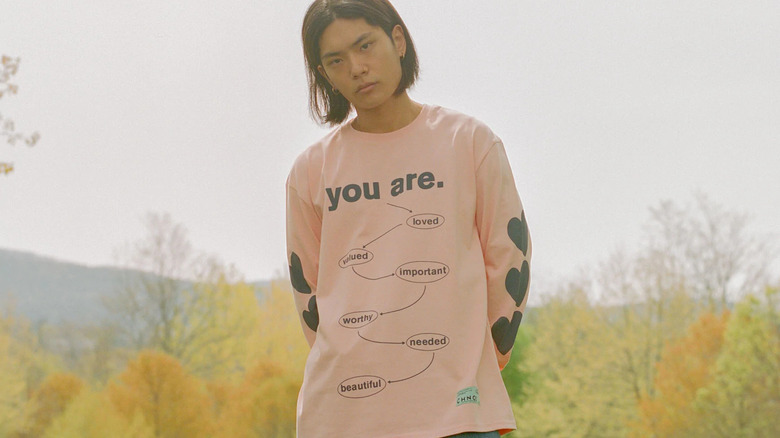
When it comes to packaging, Kotn uses recycled and recyclable cardboard and very little plastic.
Pact also sells pants, sweaters, hoodies, and jackets, which range up to $148.
CHNGE is spurring change affordably
The clothing brand CHNGE is doing as its name suggests creating change!
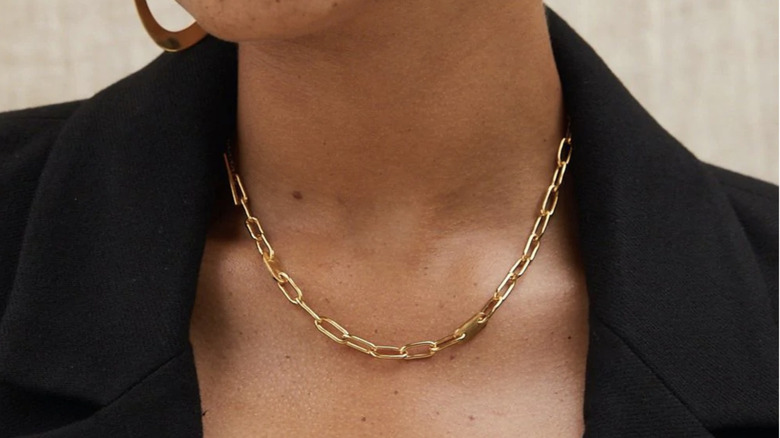
CHNGE calls for people to consume differently, looking at the environmental effect of their fashion choices.
CHNGE features many designs some with bold, political statements and others with fun designs and funky prints.
T-shirts start at $35, while sweats are priced between $49 and $84.
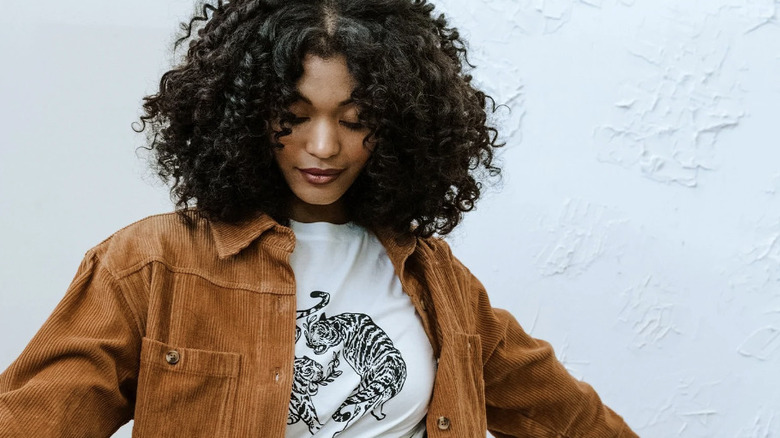
There, women make hand-painted beads, sourcing the clay from nearby Mount Kenya.
ABLE jewelry is made from recycled silver and avoids harsh chemicals in the process.
Additionally, the company uses entirely recycled packaging.
Apparel starts at around $40, and leather goods start at $30.
Jewelry starts at $25 for smaller stacking rings and ends at around $120 for gold-plated necklaces.
Hannah Andersson sticks to sustainability
Looking for sustainable and affordable fashion for your little ones?
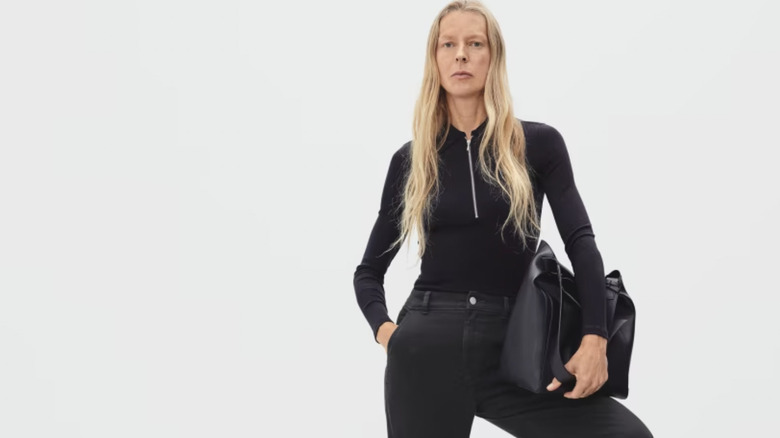
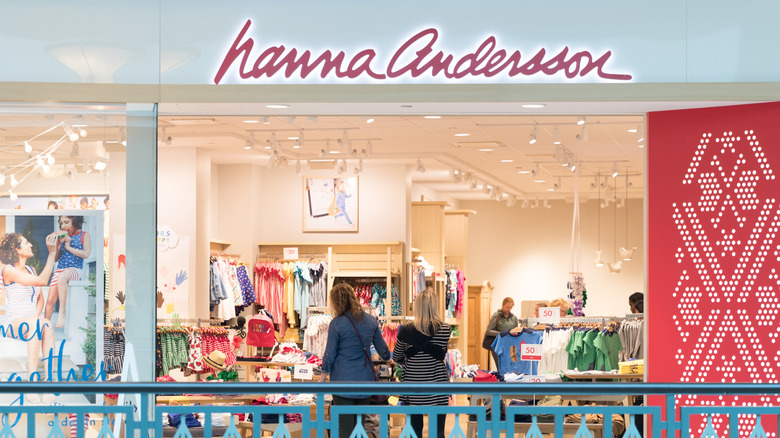
Consider Hanna Andersson, the well-known children’s brand that has long prided itself on its sustainability efforts.
The brand usesorganic cotton materials, followsFair Tradepractices, and encourages handing clothing down through itsHannah-me-down philosophy.
And, if the whole family wants to match, Hanna Andersson offers a wide range ofmatching pajama sets.
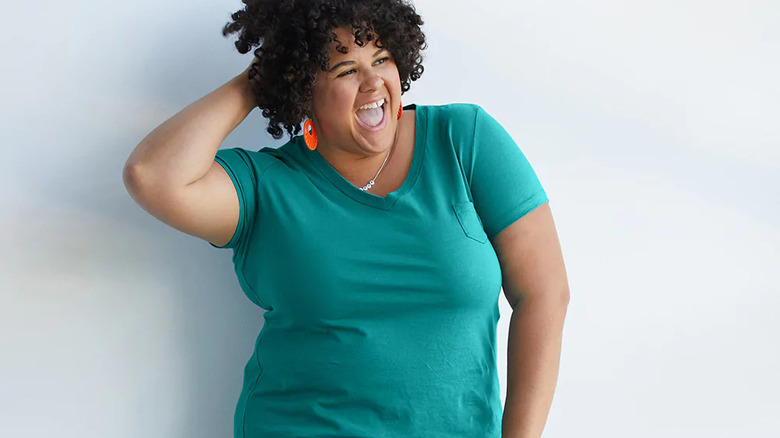
All of its pieces are made from materials that are ethically sourced from factories that share Everlane’s values.
Everlane set a goal to use no new plastic in its products and packaging.
As of this writing, Everlane says it is about90% complete.
Fair Indigo
Fair Indigo was founded in Madison, Wisconsin, by Bill Bass in 2006.
Bass knew he wanted to focus on producing clothes using organic cotton but that wasn’t an easy feat.
Very few fair trade organic cotton suppliers existed at the time.
Bass told The Leap, “It was like .005%.”
Nevertheless, Fair Indigo stuck with it and now sources its products fromtwo family-owned farms in Peru.
The sustainable clothing brand won aGreen America Awardin 2016 for its efforts in sustainable clothing production.
The men’s selection features tees and sweaters in a similar price range.
