We may receive a commission on purchases made from links.
Still, experts tend to agree on certain no-nos for your skin.
These are some things you should never use to wash your face.
That often leads to raiding the medicine cabinet to peruse your options.
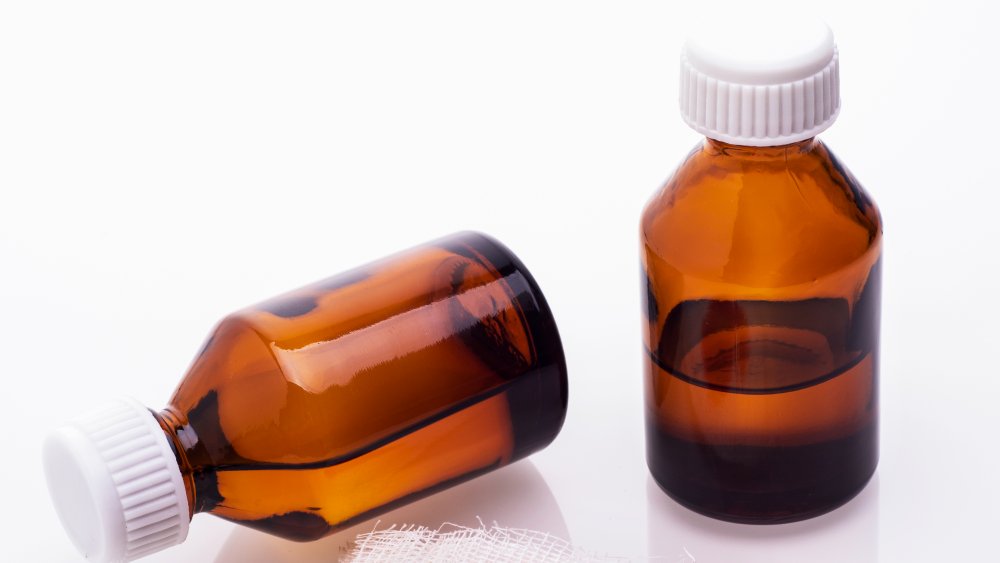
But really, hydrogen peroxide isnota great alternative to your daily face wash.
According toWebMD,hydrogen peroxide can actually harm and irritate your skin.
But, how does that translate to washing your face?
“Hot water and temperatures will dilate blood vessels and capillaries,” the expert toldMarie Claire.
Next time you get ready to turn up the heat, think again.

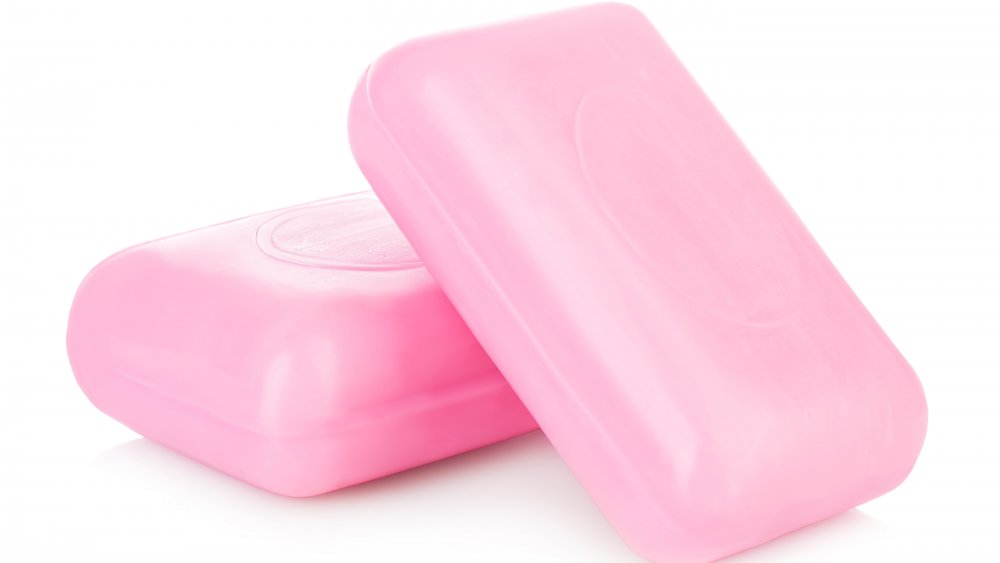
But, in reality, bar soap is not a great substitute for face wash.
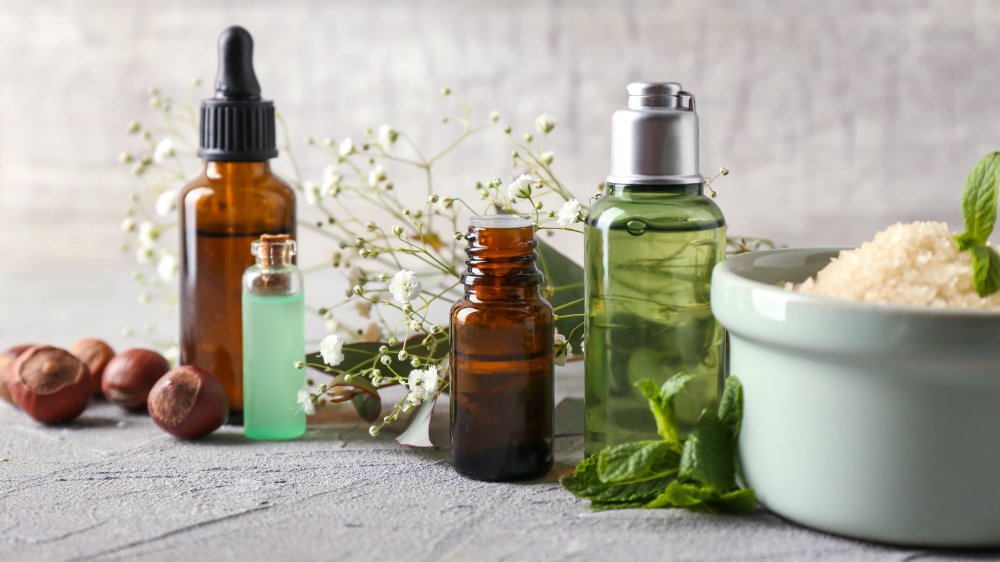
When it comes to using essential oils on your face, thenaturalchoice is to step away.
As one dermatologist explained to the publication, that’s like “using sandpaper on your face.”
The scrub can lead to inflammation and even more irritation that can actually “accelerate the aging process.”
In some cities, tap water is perfectly safe to drink and may even taste better than bottled water.
However, in other areas, tap water may bedangerousand shouldn’t be consumed without being filtered.
Additionally, dermatologist Julie Russak told the publication that hard water, especially, can harm your skin.
Well, not exactly.
However,onestudyfound that honey has “unpredictable antibacterial activity.”
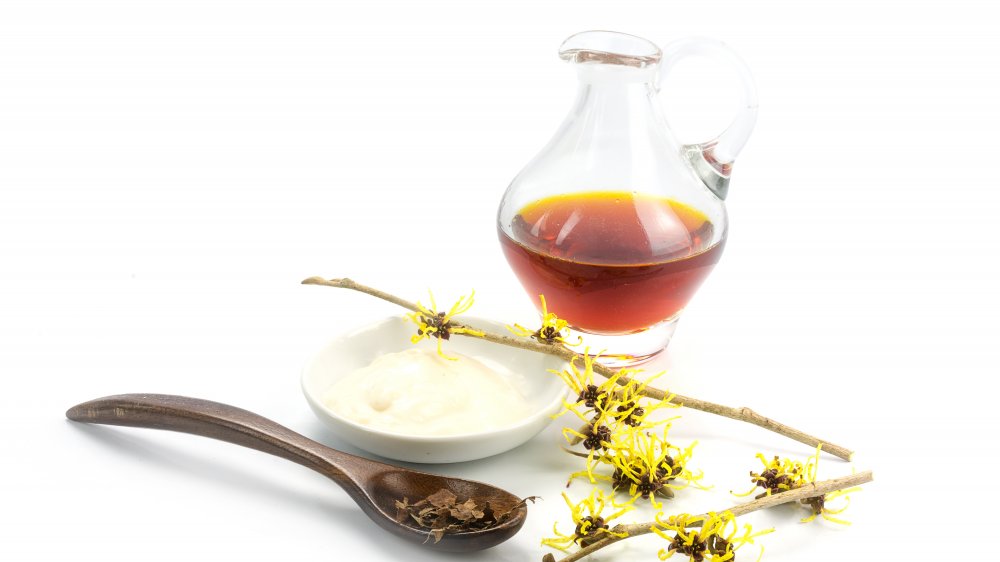
Dermatologist Cybele Fishman agrees.
It also doesn’t take off makeup, according to the expert.
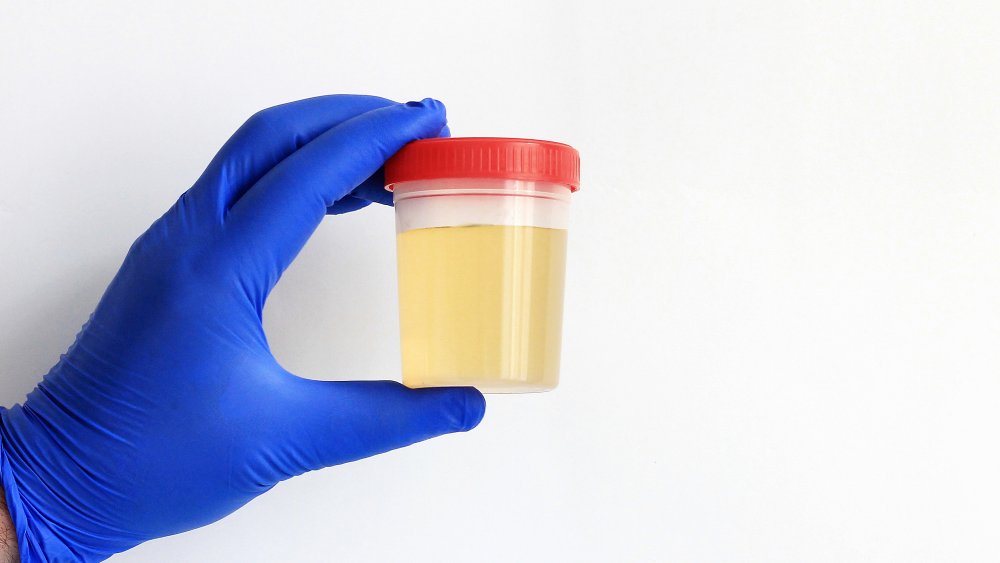
“Urine is basically water,” she explained.
Pee is for the toilet, folks,notyour face.
You should never wash your face with lemon juice
Drinkinglemon waterin the morning has many benefits.
It’s hydrating, full of vitamin C, and has antimicrobial properties.
“Due to its acidic nature, malic acid is innately irritating.
For people with acne, using a face wash with oil isn’t the best idea.
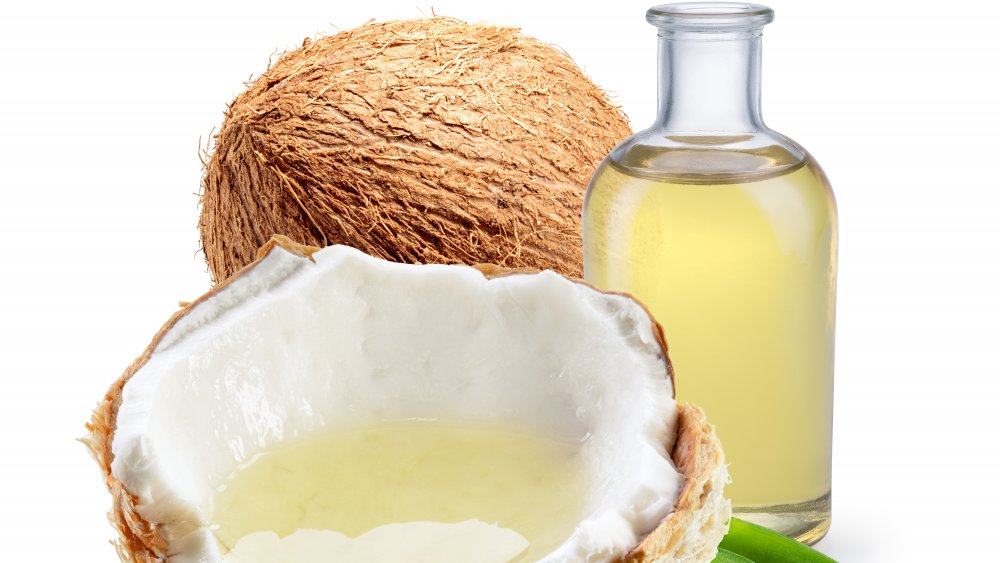
According toHealthline,coconut oildoescontain some bacteria-fighting ingredients, but it is still, obviously, an oil.

If you have oily skin, thelastthing you’d want to do is addmore oil.
And even if you don’t have acne-prone skin, you may find coconut oil causes breakouts.