From their pastroyal scandalstothe monarchy’s economic burden on taxpayers, the firm is an endless source of controversy.
The monarchy’s image has also been sullied by the horrors of imperialism.
Indeed, the royal family has been dodging assassins since time immemorial.
For several generations, England was plagued by a power struggle between Protestants and Catholics.
Henry’s actions enraged Catholic leaders, who vowed to reclaim power over England.
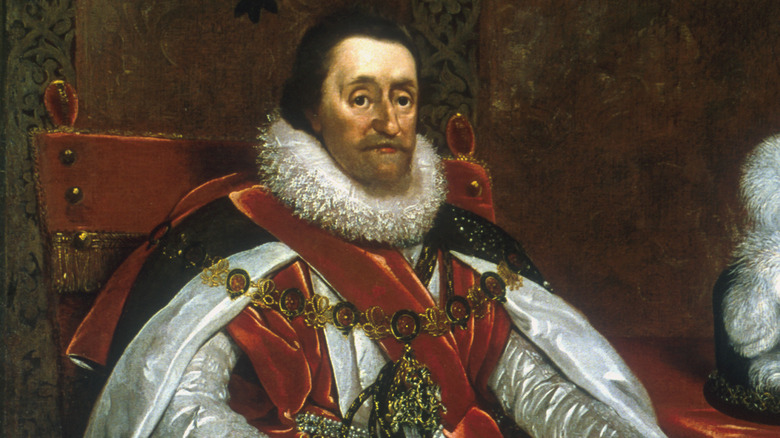
Religious tensions came to a head in the 1600s, during the reign of King James I.
The plan involved placing around 1.5 tons of gunpowder in a cellar underneath the House of Lords.
The conspirators planned to set off an explosion during the opening of Parliament and take several captives.
However, an insider exposed the plot to a government official who stopped the scheme in its tracks.
Today, England celebrates Guy Fawkes Day on November 5th to commemorate the quashing of the Gunpowder Plot.
However, conflict between the two nations was nothing new.
Fenians operated as a secret society and sought to reclaim Irish control over Ireland.
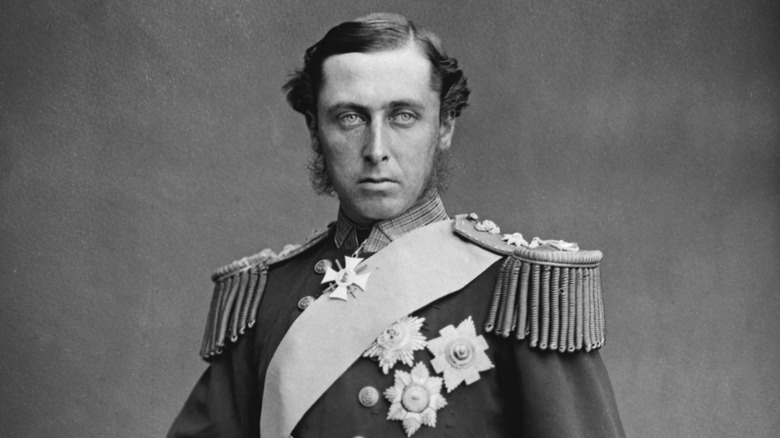
In 1868, Prince Alfred felt the consequences of the conflict when he was shot by a would-be assassin.
The assassination attempt occurred halfway across the globe in Sydney, Australia.
Alfred was attending a fundraising event when a man emerged from the crowd brandishing a handgun.
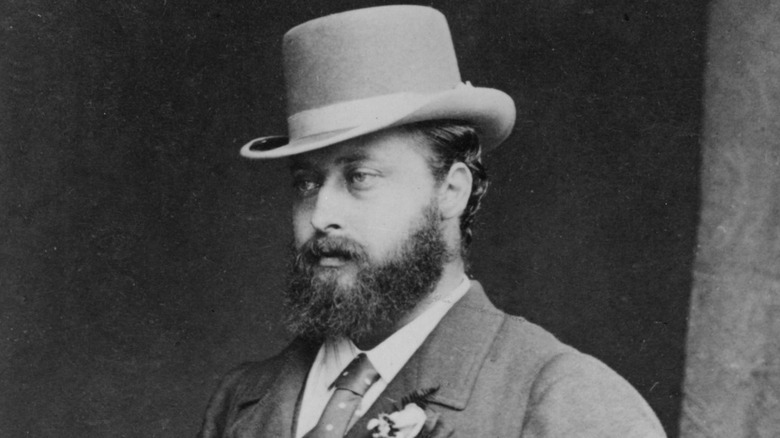
The assailant fired at Alfred, striking the royal in the back.
The assailant turned out to be a Fenian named Henry James O’Farrell.
O’Farrell immediately fled the scene but was later captured and executed.
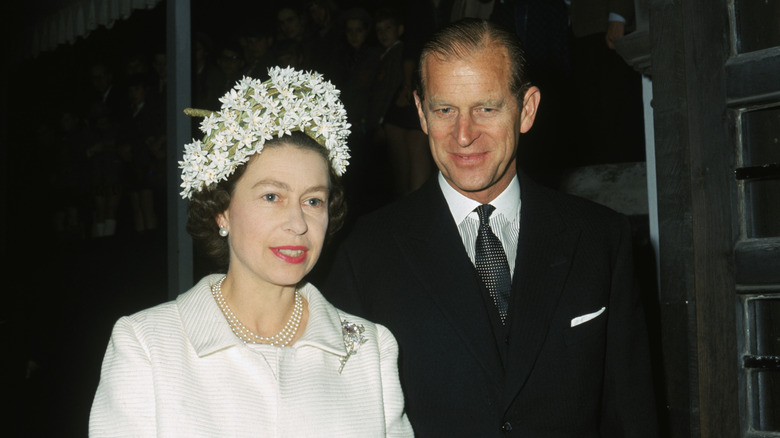
As for Prince Alfred, he was lucky to have survived.
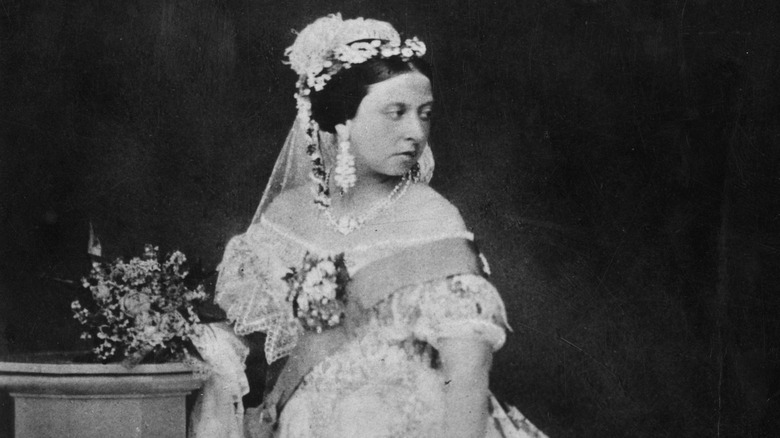
The Victorian Era as her reign came to be known was characterized by ups and downs.
However, Victoria also made plenty of enemies during her time.
For starters, the monarchbroke royal protocolwith her blatant partisanship and her fervent support for England’s Whig Party.
Throughout her life, the controversial queen endured at least eight assassination attempts.
Between 1840 and 1882, Victoria survived five shootings.
When his gun jammed, Frances returned the next day and managed to fire off a shot.
The man was captured and sentenced to death, but the queen reportedly excommunicated him instead.
Prince Edward learned this the hard way in 1900 when he escaped an assassination attempt that was ideologically motivated.
As the train departed, a young man leapt inside and fired two shots at the royals.
AsThe Daily Telegraphreported, one of the bullets came perilously close to striking the prince.
After his capture, Sipido revealed to police that he was part of a wide-spread anti-British movement.
“No, no grudge,” he reportedly explained.
“But I am an anarchist.
As for Edward, he became King Edward VII in 1902 and reigned until his death in 1910.
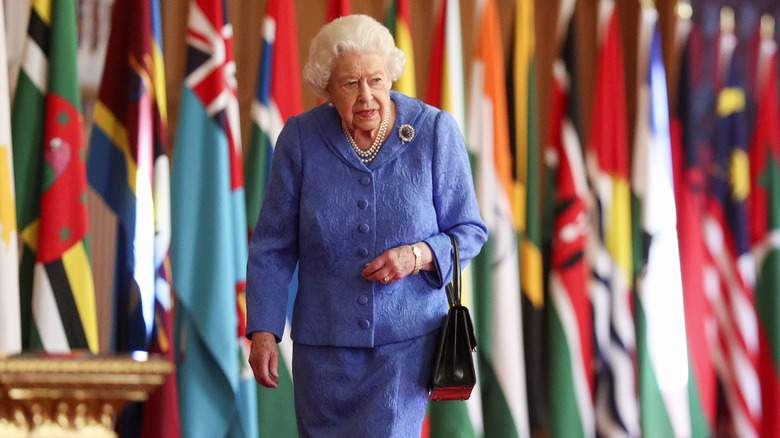
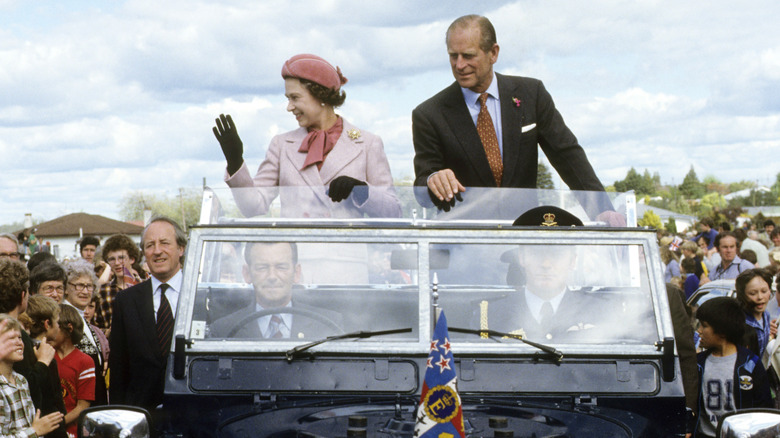
One such incident occurred on April 29, 1970.
Ultimately, Elizabeth made it to her destination blissfully unaware of the grisly fate that nearly befell her.
The incident remained a secret for four decades but in 2009, journalist Len Ashworth finally broke the story.
The incident became known as the Lithgow Plot.
But suddenly, a loud, sharp sound rang out above the crowd.
But in actuality, it was the sound of a gunshot.
Shortly after the disturbance, police arrested and questioned 17-year-old Christopher John Lewis.
When pressed about the incident, Lewis admitted to being the shooter.
Lewis received a three-year prison sentence for the assassination attempt.
Meanwhile, the New Zealand government did their best to keep the situation hidden from the public.
As for the actual threat level of the situation: it’s debatable.
But on the flip side, she had plenty of detractors as well.
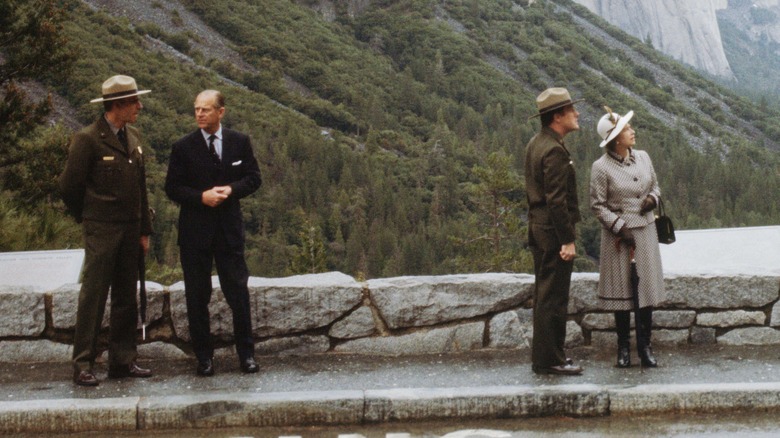
In 1983, the sovereign made her way stateside with her sights set on Northern California.
First, the monarch would traverse the iconic Golden Gate Bridge in San Francisco.
Next, she planned to travel to California’s legendary Yosemite National Park.
Unfortunately, the queen wasn’t the only one making big plans for her visit.
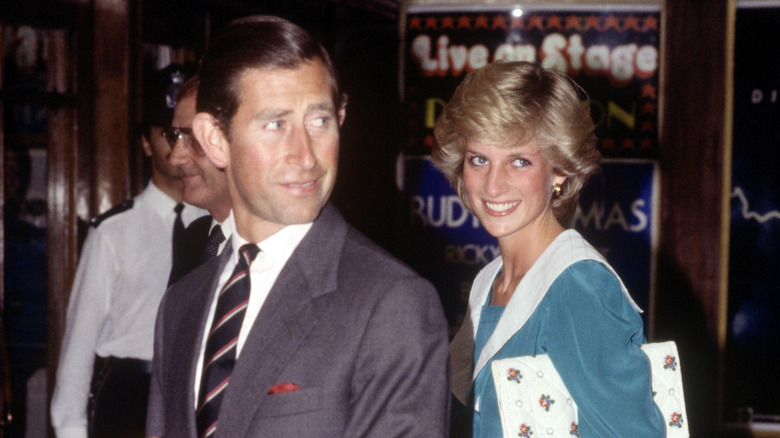
Unbeknownst to them at the time, Charles and Diana were the target of an attempted assassination.
However, there was one major problem with the IRA’s scheme: O’Callaghan was actually a police informant.
Rather than carrying out the deed, O’Callaghan reported it to authorities.
Thanks to his actions, the plot never actualized and the crisis was averted.
“This technology would’ve worked,” Hemming stated.
“Because the IRA would use almost identical technology to plant a bomb the following year in Brighton.”
Rashid also used his Telegram channel to brainstorm attacks on sporting events, military bases, and government buildings.
At Rashid’s initial sentencing, Judge Andrew Lees condemned the man’s actions.
“The message was clear,” the judge declared (via theBBC).
“I will attempt to assassinate Elizabeth, queen of the royal family.”
A few hours after the break-in, Chail was discovered by a guard and arrested without incident.
“This is revenge for those who have died in the 1919 Jallianwala Bagh massacre,” Chail stated.
