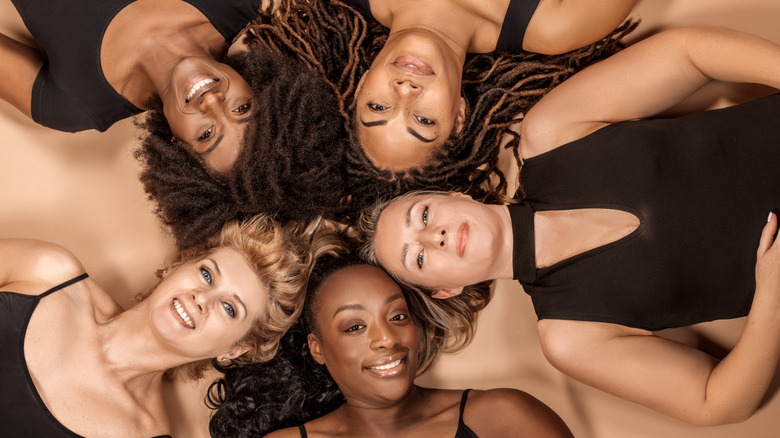
How do we determine what makes a person beautiful?
And she doesn’t look at all like the models of today.
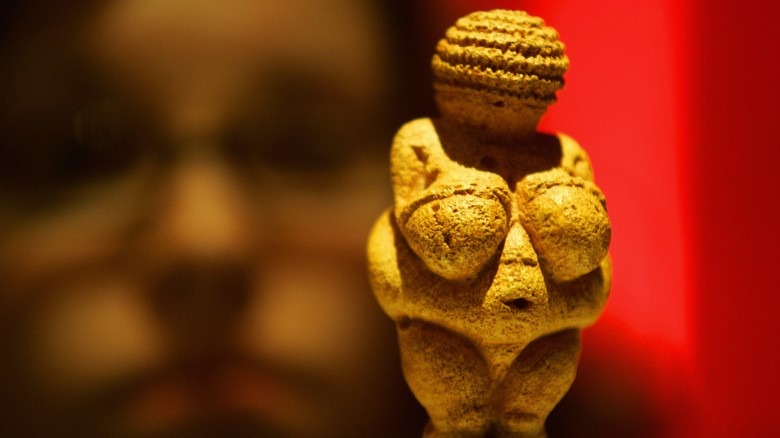
TheVenus of Willendorf a statue crafted somewhere between 24,000-22,000 BCE is a paradigm of fertility.
This girl goes way beyond curvy.
In fact, she’s a little on the heavy side.
A big healthy body was all that mattered because you were your own method of survival.
She was evil because she was beautiful, and beautiful because she was evil."
Being a hot guy back then?
Being born a bombshell Grecian lady?
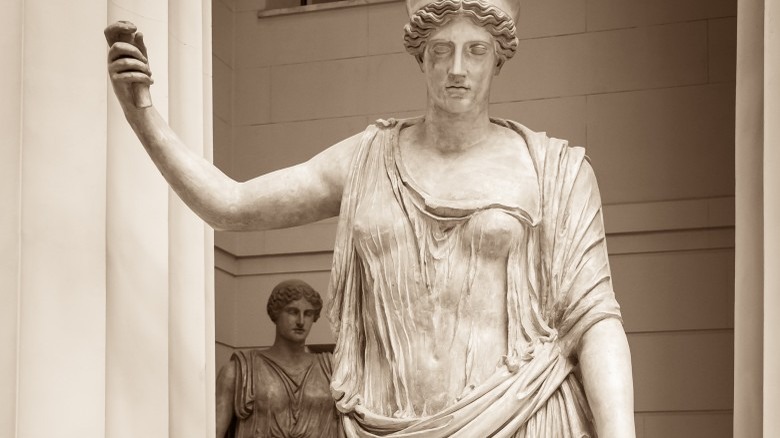
But the Greeks were defining more than just “beauty” they were nailing down the math of attractiveness.
(Remember the Pythagorean theorem?
So from 1300-1500, they started painting naked breasts that symbolized a mixture of fertility and sensuality.
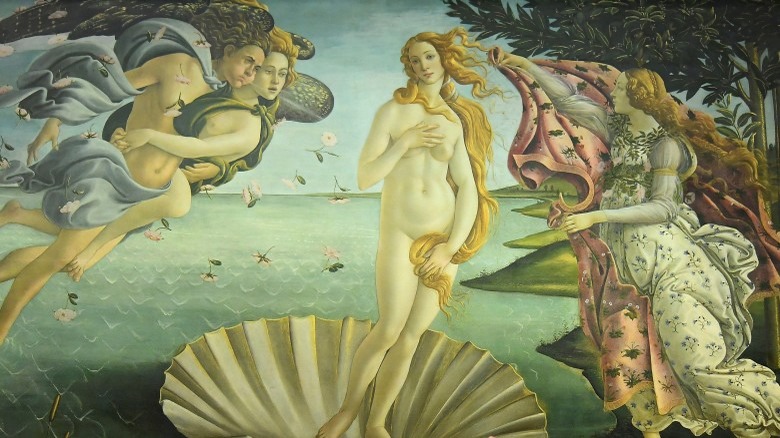
This was true for many painters.
The Elizabethan era
Queen Elizabeth wascrowned in 1558, ushering in the era of makeup.
This trending makeup routine quickly became asymbol of classat the time.
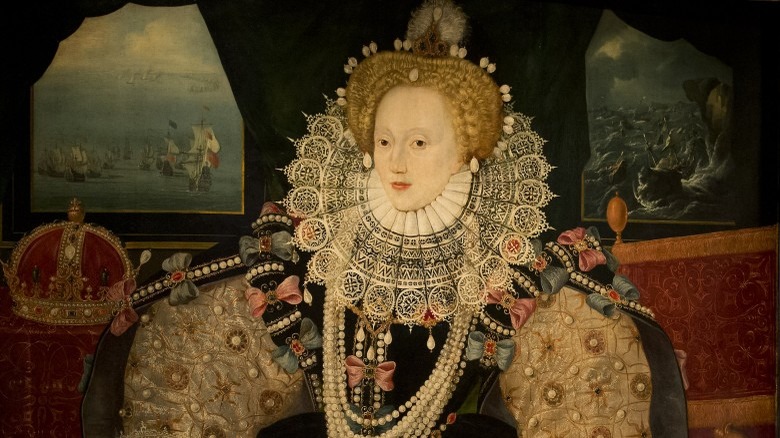
The paler you were, the higher your status.
Makeup became much simpler and the insanely ornate gowns of the very rich were paired down.
Before the revolution, makeup was wornequally by men and women.
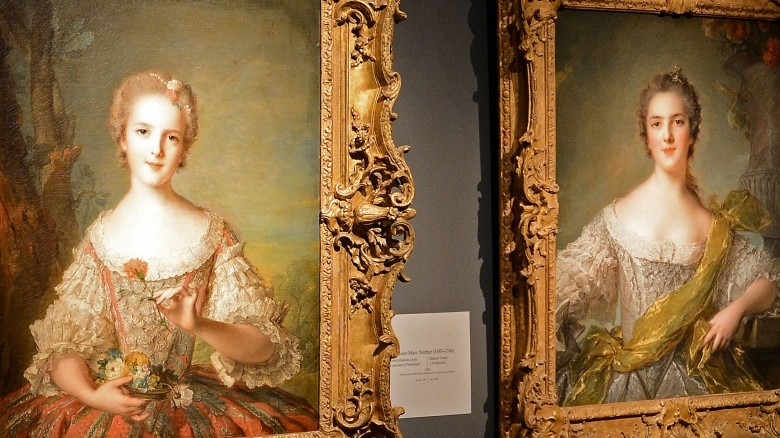
As the idea of “artifice"found disfavor in society, both sexes opted for more natural looks.
Elite women wouldliterally invite spectatorsto watch them primp in various states of undress.
Men were into it.
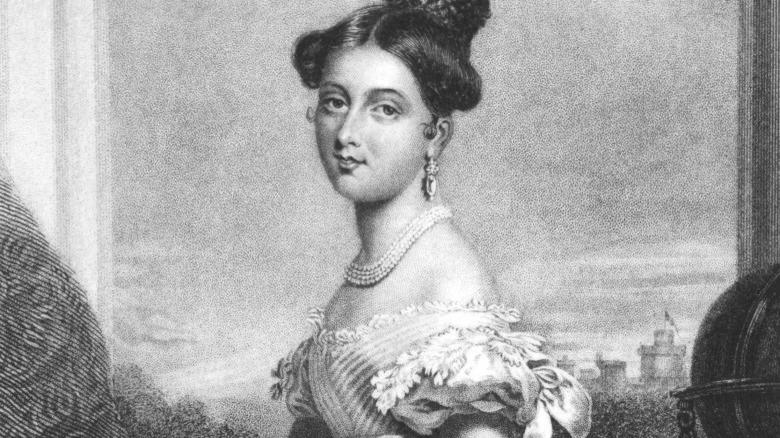
The pale, frail, weak look was all the rage.
No particular body part was emphasized just so long as a women didn’t look too hearty or strong.
According to artist and researcher Alexis Karl, “Consumptives were thought to be very beautiful.”
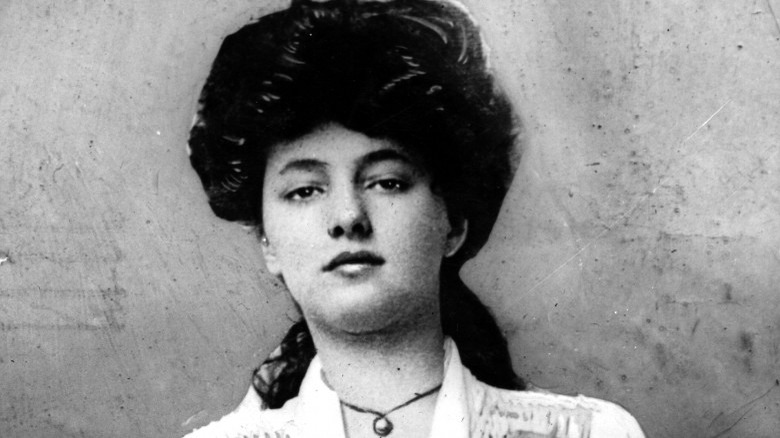
Who knew that dying of tuberculosis would make you the hot chick?
Makeup of the time was also incredibly dangerous.
Lead, ammonia, mercury, and nightshades were common ingredients.
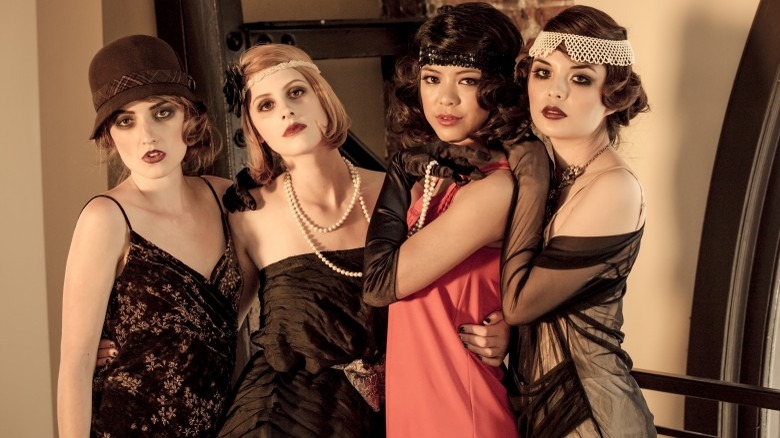
And the Victorian’s weren’t completely ignorant of the effects of these poisons.
Women were simply willing to poison themselves for look more beautiful.
The turn of the century
The 1890’s brought aboutthe Gibson girl.

The Gibson girl was an illustration by Charles Gibson that defined a beautiful woman of the age.
She was pale, though not as powdered as previous years.
And after the war?
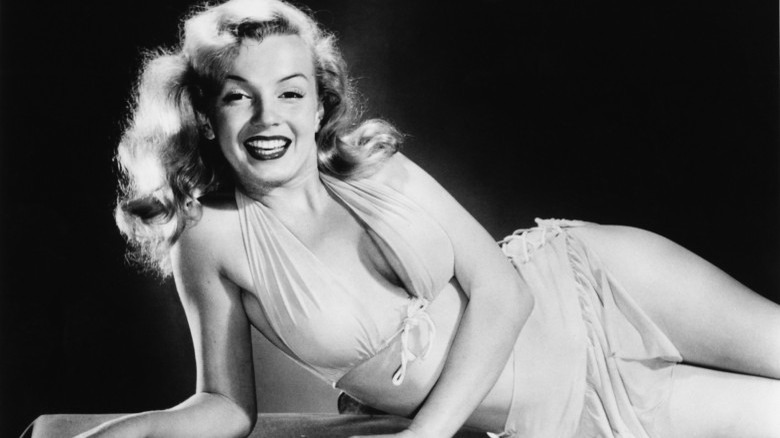
They weren’t about to give up all thatindependence.
For the first time, the curvy, fertile look was completely out.
Girls wanted to look thin with no curves, and they were chopping their hair.
The flip side of the flapper movement?
Full length mirrors were also incredibly expensive, so only the wealthy had ever even seen their entire bodies.
That also meant they could see all of their flaws, thus igniting our contemporary version of body obsession.
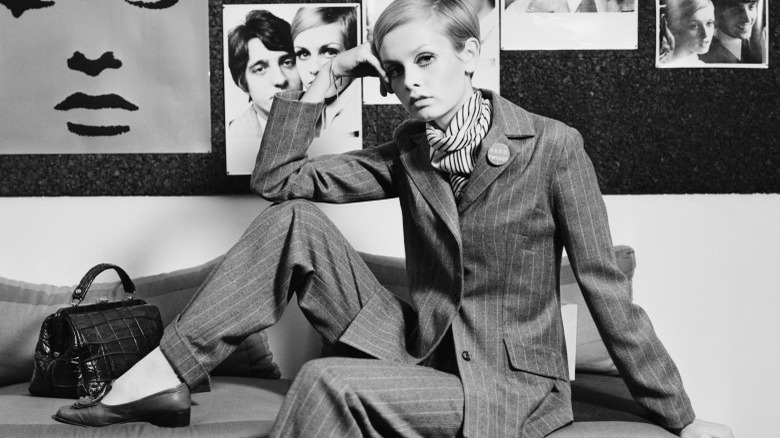
They would rework men’s suits into women’s attire.
People were in the mood to celebrate, and with that indulgence came a slightly fuller figure.
The hourglass figure was sought after and having a large bust was strongly encouraged.
And by today’s standards, these women aren’t that big!
Clearly, the demand for thinness has been around for quite a while.
The late ’60s to the ’90s
By the ’60s, the culture began to shift.
People weren’t happy just to have a house and car, sitting at home as a housewife.
Young people rebelled against the constricting ways of ’50s, and withTwiggybecoming the most famous model of the age?
Thin was (back) in.
The ’70s saw greater freedom for women, butskinny was still the ideal.
Farrah Faucett may have had a larger bust than Twiggy, but she was still rather petite.
Makeup and fashion tilted toward a more natural look.
Looks weren’t as bold as the swinging ’60s and hair was worn natural and very long.
When the ’80s rolled around, the Supermodel era began.
Just when it seemed like the ideal body couldn’t get any thinner, in came the ’90s.
Kate Moss came along to give Twiggy a run for “skinniest model of all time”.
The Brit model with aBMI of 16and that famous “heroin chic” look became popular.
With waif models in vogue, the ’90s presented the thinnest feminine ideal in history.
What really is ‘perfect’?
NowadaysPhotoshophas thesame effect, making already-petite models look unattainably perfect.
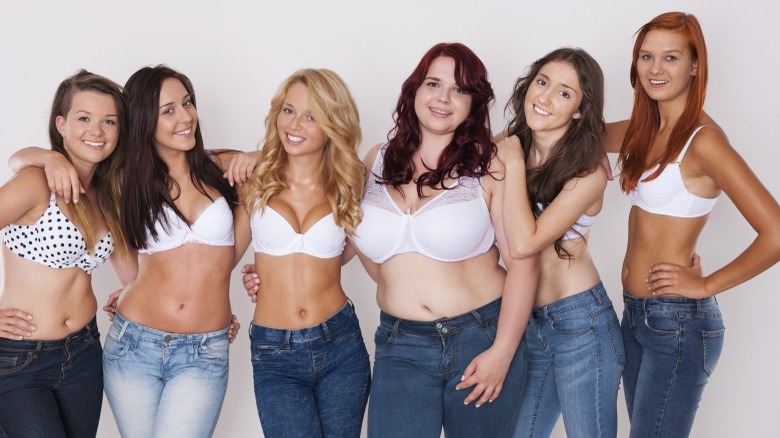
If your body isn’t considered “perfect” today?
“Perfect” is an illusion that no one can attain.
