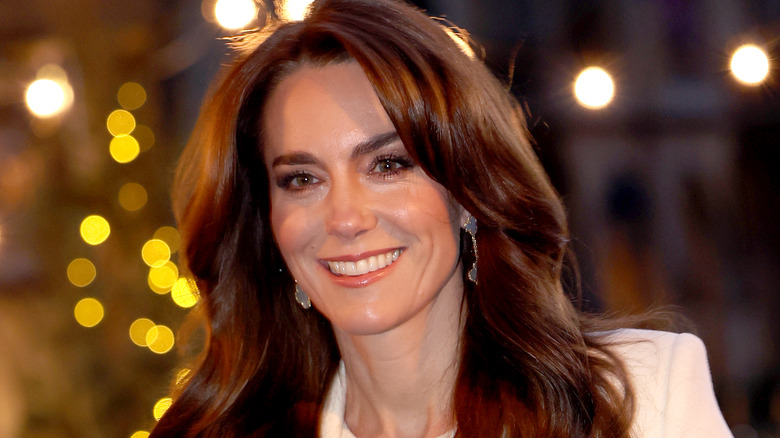
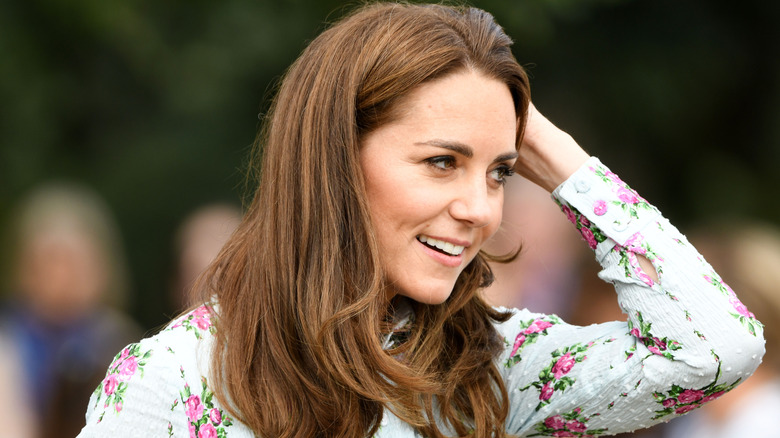
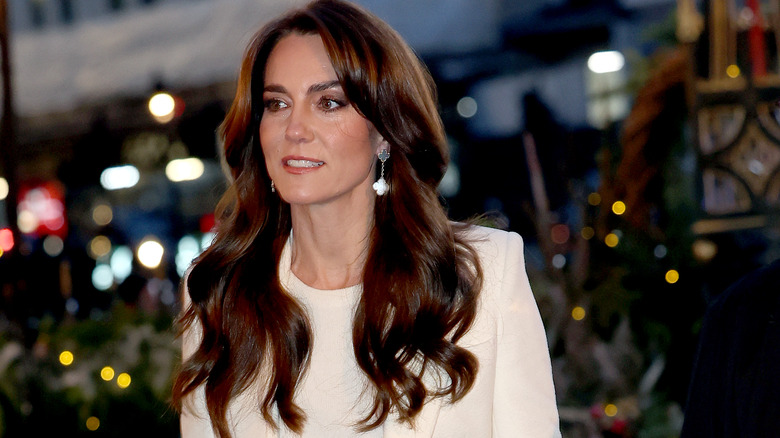
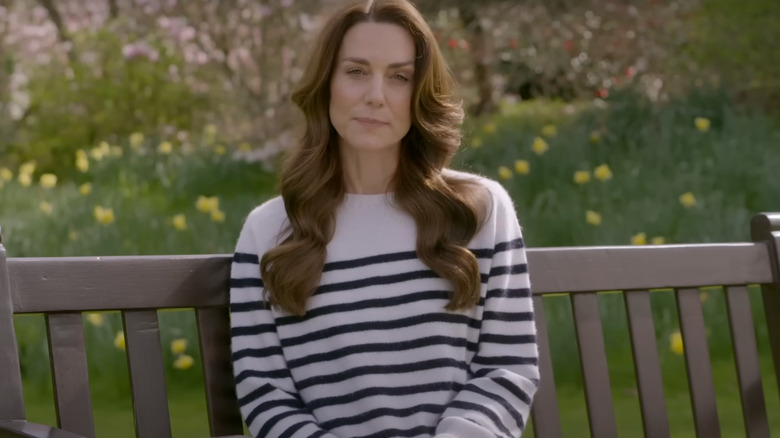
Finally, on March 22, Catherine released avideo statementannouncing that she’d been diagnosed with cancer.
Many wanted to put their foot in their mouth when the statement was released.
And what did it tell us about the state of the future queen’s health?
“There are too numerous possible cancers to list them all,” Porpiglia said.
What exactly is preventative chemotherapy?
First things first, preventative chemotherapy isn’t a technical medical term.
As Katherine Van Loon, M.D., explained to Time, doctors refer to it as adjuvant chemotherapy.
And according to Ben Ho Park, M.D., preventative chemotherapy exists to kill remaining cancer cells.
“The point of chemotherapy is to eradicate any microscopic residual cells to prevent recurrence.
So it’s not really preventing the cancer because she already had cancer,” Werner explained.
“They’re not preventing the cancer in the first place.
Andrea Cercek, M.D., describes preventative chemotherapy as an “insurance policy.”
The latter is referred to as brachytherapy.
Immunotherapy, on the other hand, works in tandem with your immune system to destroy cancer cells.
Targeted therapy works by attacking cancer cells specifically by targeting the chemicals found in these cells.
As these chemicals are blocked, the cancer cells start to die.
Chemotherapy, one of the most common treatments for cancer, is given either intravenously or orally.
“It’s standard of care to reduce the risk of recurrence for many types of cancer.”
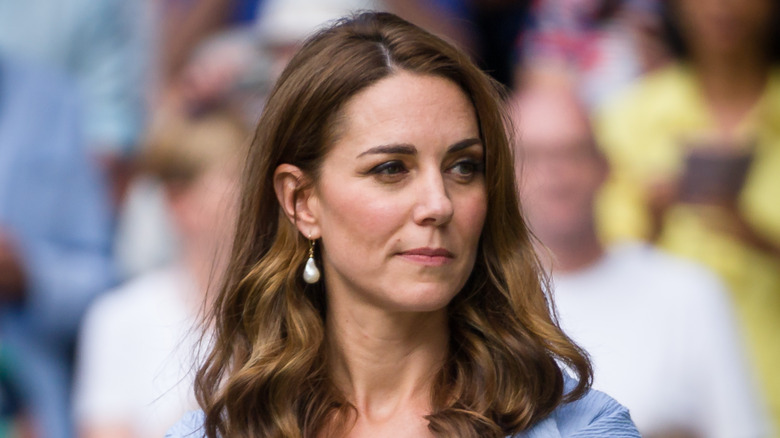
If sources who spoke toVanity Fairare to be believed, Catherine is responding pretty well to treatment.
A source told the outlet in May that the princess had “turned a corner.”
However, this is not the case.
“In cases where we can prevent a recurrence, that’s why we would do chemotherapy.
The only difference, really, is its purpose.
As previously noted, it’s all about trying to nip the disease in the bud before it returns.
The preventative chemotherapy process usually lasts between three to six months.
“There are good days and bad days.
Derek Tsang, M.D., says these symptoms are on par with chemotherapy treatments.
“This is not a walk in the park.
According to doctors, it’s impossible to know.
“A lot of patients … get chemotherapy when they’re probably already cured.”
We sincerely hope the latter is true for Catherine.
Well, it depends on a variety of factors, including the jot down of cancer.
A2017 studypublished in the journal of The Lancet.
However, it still depends on the key in of cancer since some are more responsive than others.
Family history also plays a part, as well as existing diseases that could predispose people to certain cancers.