This article reports on the racist beauty standards of the early 20th century.
A lot can change in a century.
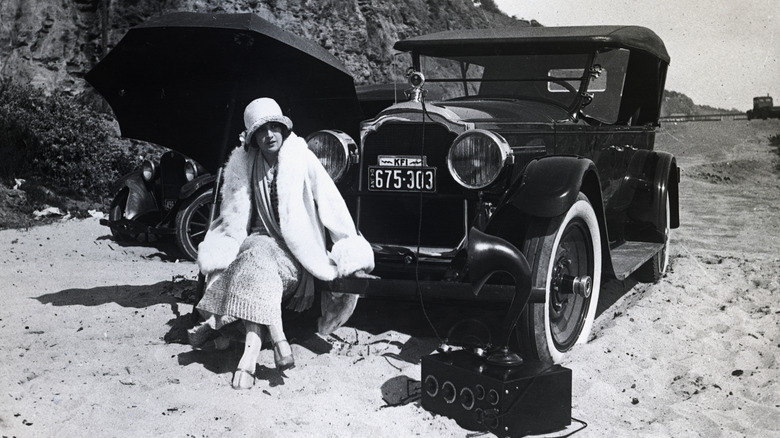
Just 100 years ago, cars were still a new invention.
Women in the United States had recently been granted the right to vote.
Jim Crow laws, which segregated people by race, were still in effect.
Beauty standards were also quite different.
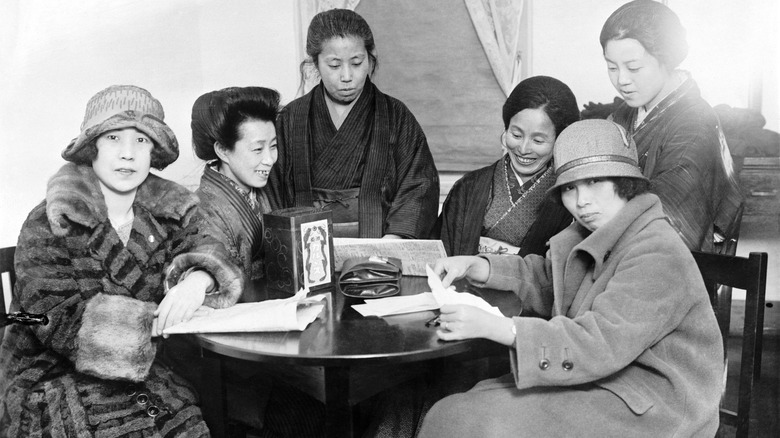
Women seeking higher education mostly attended women-only institutions.
Working before marriage was one thing, but the vast majority of women did not have life-long careers.
They were expected to stop working after marriage or, at the very latest, once they had children.
This was justified because it was considered necessary to support men.
Women were supposed to know just enough about their bodies and about lovemaking to know how everything worked.
Too much information, however, might render a woman unladylike and therefore unattractive to potential husbands.
Before this, body hair on women was not only considered attractive, but even erotic.
How did American culture change from celebrating body hair on women to reviling it?
That same year, Gillette began marketing safety razors to women.
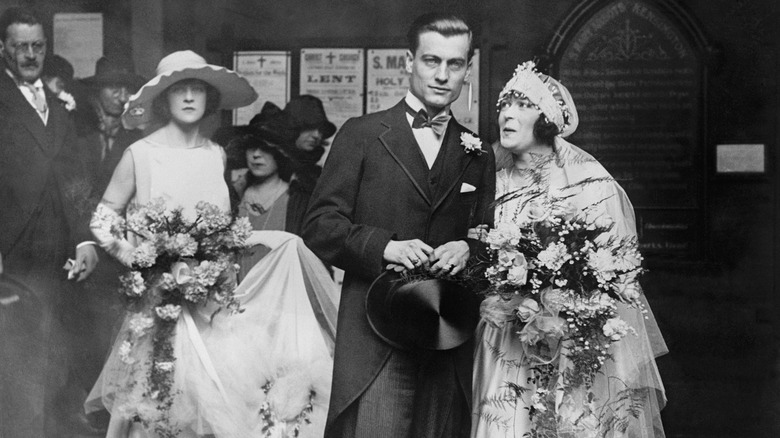
But a century ago, short chops were emerging as the quintessential 1920s hairstyle.
The transition was gradual, however.
Smoking among men was quite common, but female smokers were looked down upon by society.
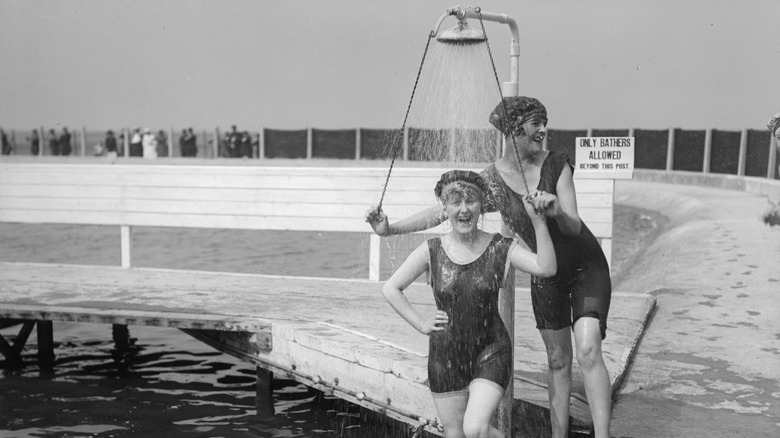
Cigarette ads featuring women never depicted them actually smoking.
Traditional men in the early 1920s were still seeking women who didn’t light up.
In stark contrast, the 21st-century tanning industry is booming.
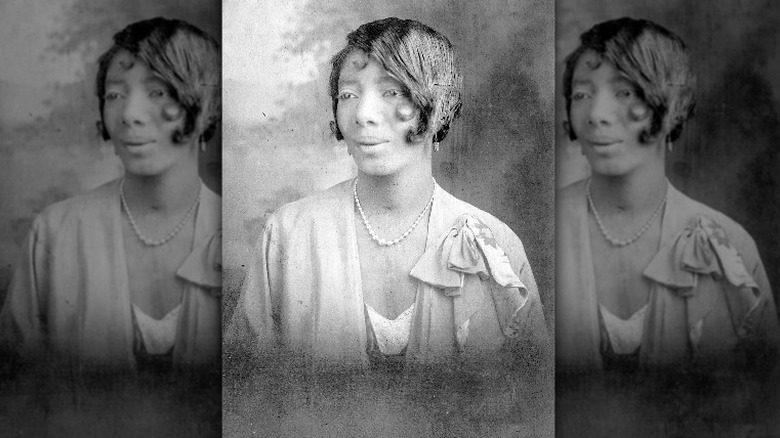
Tiny waists were still fashionable, however, leading to a rise in diet and exercise regimes.
Women weren’t completely liberated in that regard by the end of the 1920s, though.
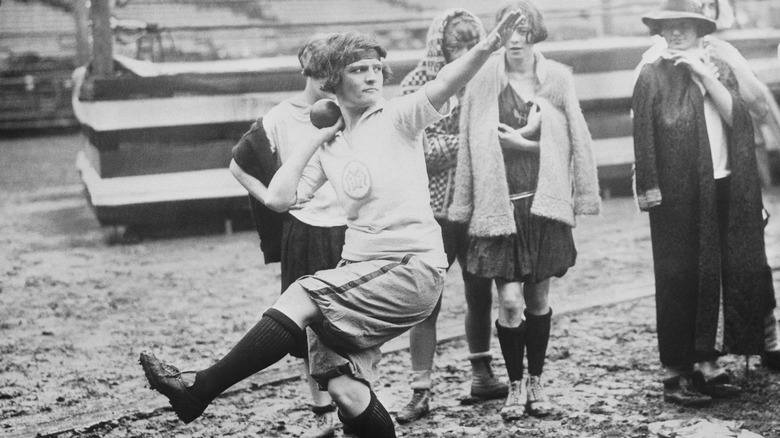
In 1900, just 2.2% of Olympic athletes were women, according to theOlympicsofficial website.
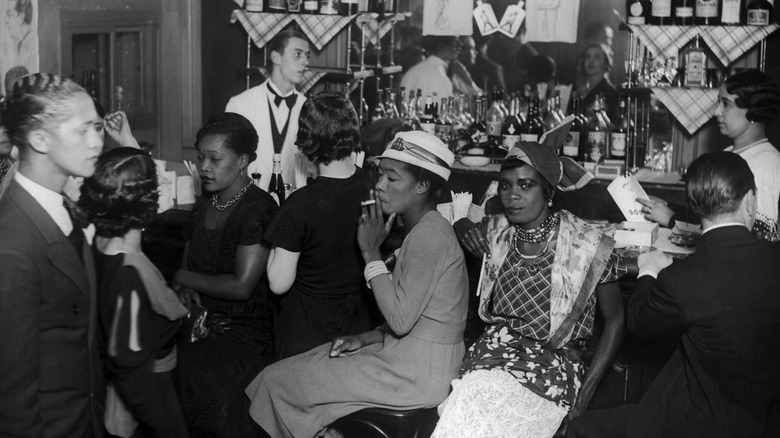
By 1928, that number had risen to nearly 10% of the total competitors.
This is a huge difference from the modern era where women make up nearly half of Olympic athletes.
Her ideal measurements were a 36-inch bust, a 26-inch waist, and 39-inch hips.
A Ziegfeld girl was expected to come from American stock.
In other words, she was not an immigrant.
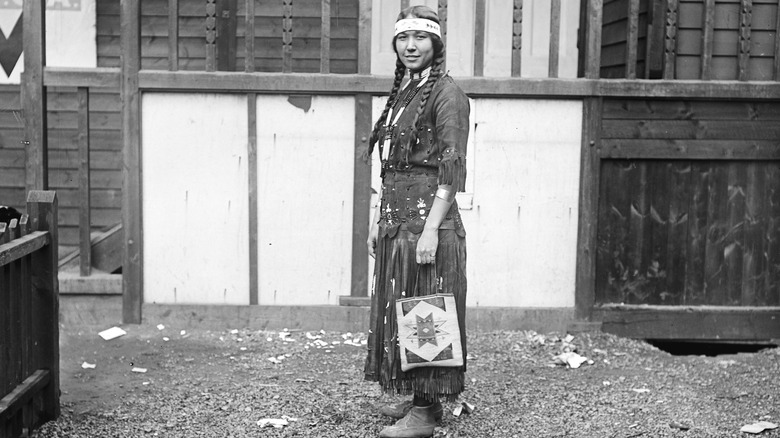
There were no women of color on Ziegfeld’s stage."
She dresses in the lightest and most flimsy of fabrics.
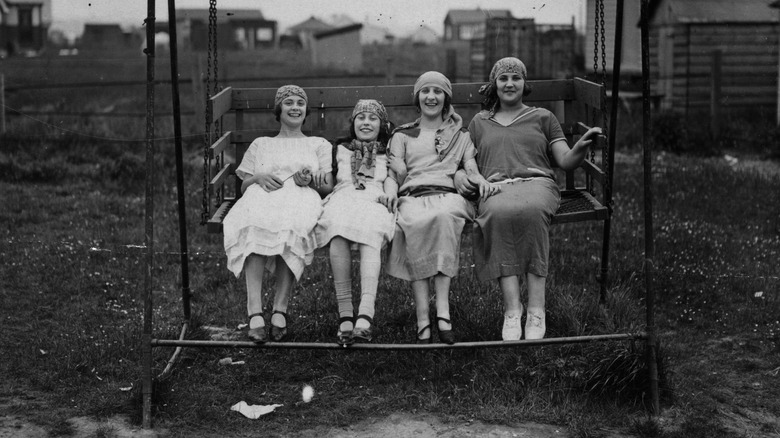
But while the older folks may have sneered at these rebellious women, young men were completely smitten.
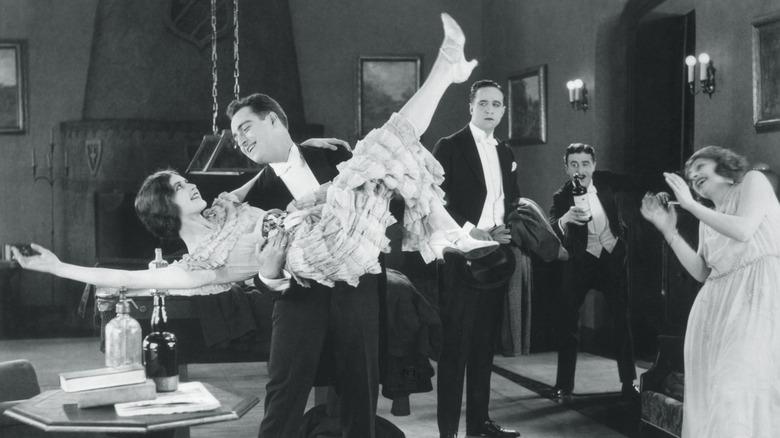
Men and women began socializing at speakeasies, which helped normalize the concept of casual dating.
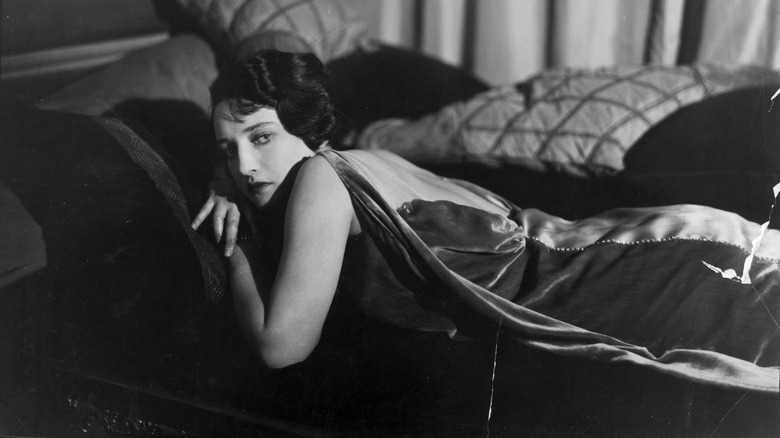
As a result, some women rejected old notions about chastity and partook in premarital sex.
A full face of makeup
In the early 1920s, the United States entered an economic boom.
Small manufacturers were gradually replaced by giant factories that mass-produced everything from automobiles to household appliances.
Due to the rise of mass production, the cosmetics industry flourished.
Makeup became cheaper and more widely available, prompting major changes in beauty standards.
Eventually, men turned their gaze away from the subtle, natural-looking makeup that dominated the previous decade.
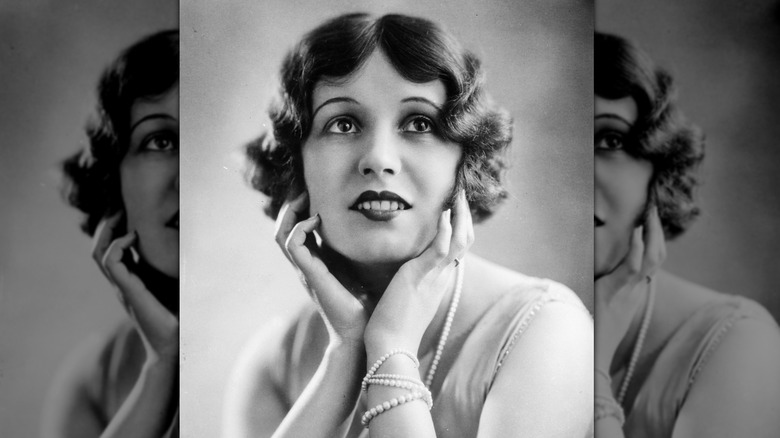
Women catered to this shift by sporting a face full of makeup.
In the 1920s, women went all-out with their beauty routines.
A casual makeup look typically consisted of dramatic, kohl-lined eyes, powdery skin, and razor-thin eyebrows.
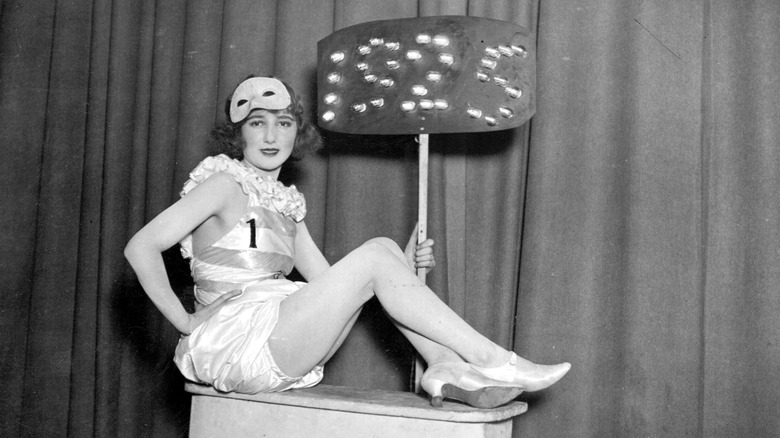
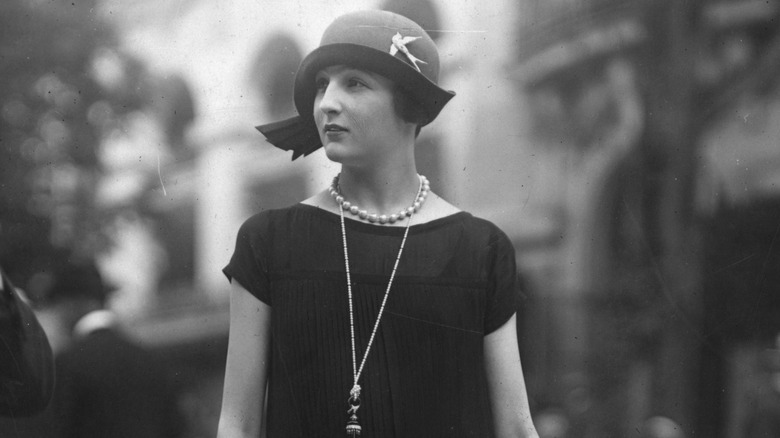
“She is, for one thing, a very pretty girl,” Bliven wrote (viaSmithsonian).
“Beauty is the fashion in 1925.
According to professor Sarah Churchwell, manywomen wore tightly-laced corsetsto shrink their waistlines even more.
“Of course, women still wore corsets underneath these drop-waist dresses,” the expert toldHistory Extra.
Men swooned over this particular body punch in and women were determined to achieve it.
For some women, this trend had serious health implications.
According to a report by the University of Wisconsin-Madison, eating disorders peaked during this decade.
