What’s in a name?
When it comes to the British royal family: a lot.
And with such an astronomic profile, the illustrious family needs no introduction.
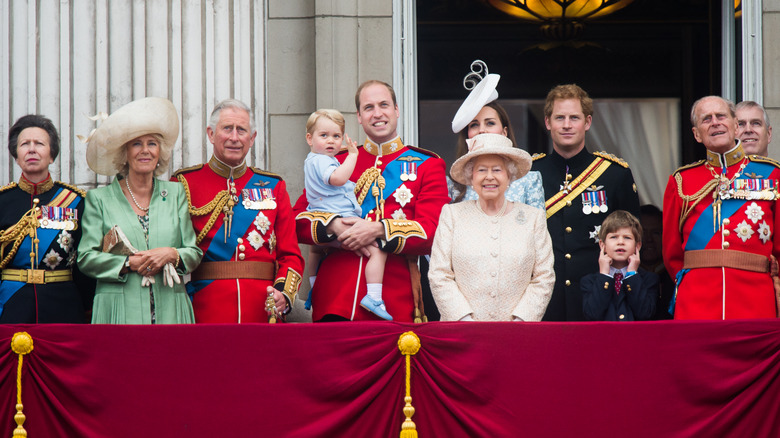
That last name is Windsor.
Throughout the years, the royal brood has been bestowed some truly colorful nicknames by the press.
For example, Prince Harry was dubbed arebelduring his hard-partying youth.
No matter what you call them, though, the surname Windsor is a mainstay of the royal family.
Where exactly did the name come from?
A royal house, or dynasty, refers to a specific bloodline within the royal family tree.
As theBritish royal family’s websiteexplains, house affiliations were passed down through the sovereign’s direct paternal lineage.
When a married female sovereign was succeeded by her heir, power would be ceded to a new house.
Likewise, one house would sometimes overthrow another, resulting in a transfer of leadership.
Consequently, ruling houses were subject to change every few generations or so.
England’s most enduring dynasty was the Plantagenet House, which held power from 1154 to 1485.
The conflict, which was known as the Wars of the Roses, dragged on for three decades.
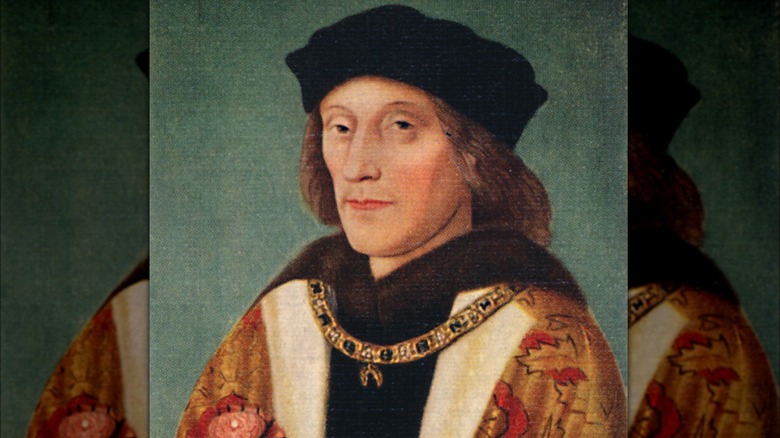
In 1485, Henry Tudor won the war on behalf of the Lancasters and was declared King Henry VII.
His victory ushered in the Tudor House dynasty, which ruled the country for several generations.
The Hanoverian dynasty lasted for over a century and ended with George’s great-great-granddaughter, Queen Victoria.
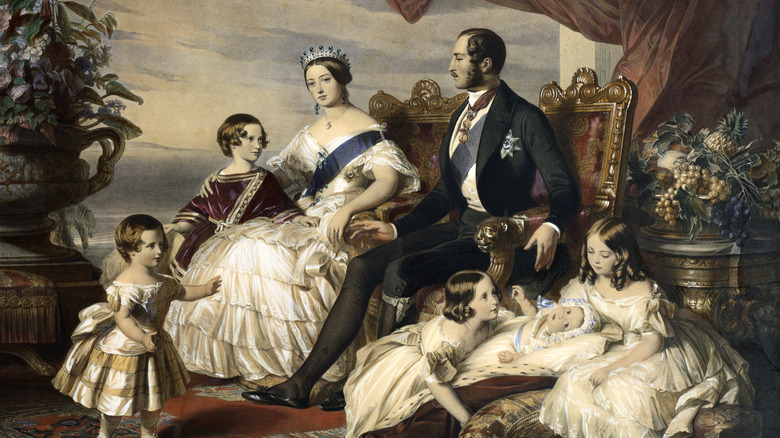
In February 1840, Victoria married Prince Albert, a nobleman from the German towns of Coburg and Gotha.
The couple had nine children, thereby ensuring that the Crown would remain with their bloodline.
However, due to royal tradition, Victoria’s children did not assume her ties to the Hanover House.
Instead, they took the name of Albert’s house.
Victoria ruled for 63 years, making her one of the longest-reigning monarchs in British history.
Upon her death in 1901, she was succeeded by her eldest son, King Edward VII.
In 1914, the conflict reached a boiling point and World War I erupted.
In response, England joined the allied powers, subsequently pitting themselves against Austria-Hungary.
On the flip side, several countries allied themselves with Austria-Hungary including Germany.
As the war plowed forward, Germany carried out a brutal bombing campaign against England.
German warplanes dropped hundreds of explosives on English towns and cities, driving citizens into cramped public bomb shelters.
England also paid a hefty economic toll for the war, and the country suffered from widespread food shortages.
First, Germany swarmed England with colossal aircrafts called Zeppelins, which dropped bombs indiscriminately across the nation.
Then, in 1917, German troops employed lethal new warplanes called Gothas.
“They came at night,” one survivor recalled, according toImperial War Museums.
“The city, as you know, was all bombed.
It frightened you, because not one comes over, but a great flock of Gothas.”
As a result of Germany’s ruthless war tactics, anti-German sentiment ran rampant throughout England.
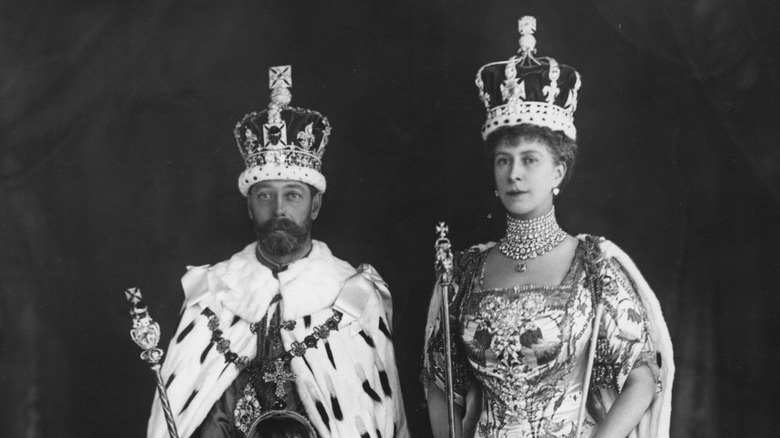
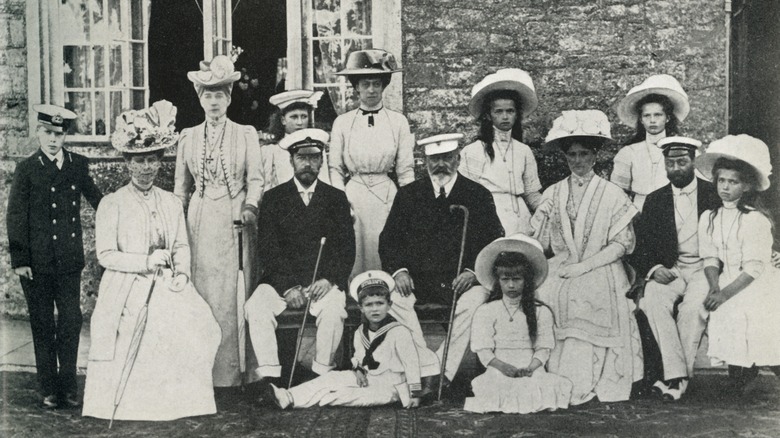
Before long, King George acquired a sour taste for his house’s name.
Thus, in 1917, the monarch ditched the name Saxe-Coburg and Gotha and adopted the English-sounding Windsor instead.
During the process, George and his staff floated several different monikers before landing on Windsor.
According to theNational Archives, the name Tudor-Stewart was initially on the table.
George also considered using the names of bygone dynasties like York, Lancaster, and Plantagenet.
A few other contenders were D’Este, Fitzroy, and, aptly, England.
“I’m nothing but a bloody amoeba.”
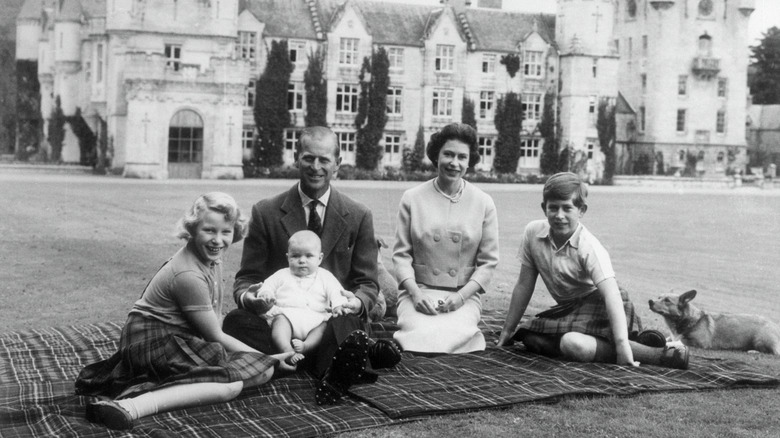
Royal family members with the title of HRH Prince or Princess can technically opt out of using their surname.
This rule applies to prominent royals like Princess Catherine, Prince William, Prince Edward, and the like.
But even with this guideline in place, some royals have adopted other surnames as stand-ins for Windsor.
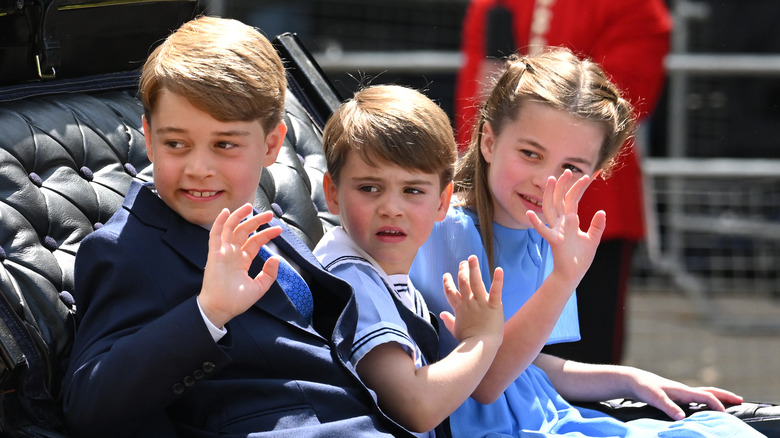
When Queen Elizabeth II died in 2022,William took Charles' place as the Prince of Wales.
Subsequently, Prince George, Princess Charlotte, and Prince Louis took Wales as their surname.
However, in the case of distant family members, the name game is much more simplified.
As such, some of those family members inherit the surname Windsor.
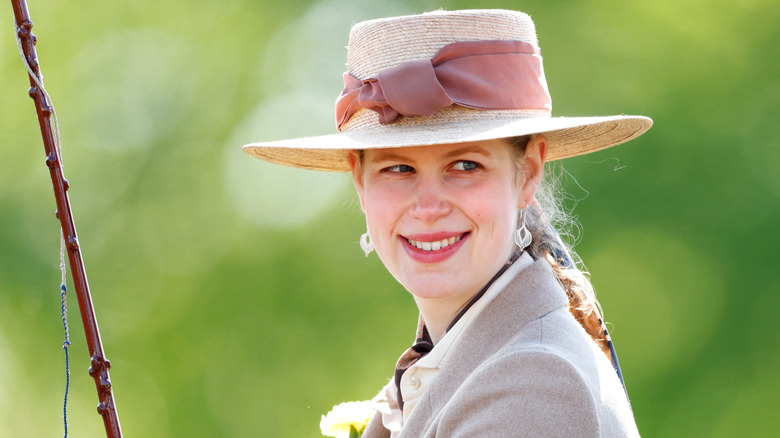
This is true for several royal kinfolk, includingLady Marina, Lady Amelia, and Lord Downpatrick.
The sibling trio are the grandchildren of Queen Elizabeth’s first cousin, Edward, Duke of Kent.
That was the case for Princess Anne’s children, Peter Phillips and Zara Tindall (nee Phillips).
In lieu of Windsor, Anne’s children took their father’s surname.
So I think that was probably the right thing to do."
Like all monarchs, William will also have the option to choose a new first name.
Just because William will one day be able make these changes doesn’t mean he will.
“And therefore, a name change would feel weird both to the individual and to the public.”
