Just a year ago, many people hadn’t heard of Chappell Roan.
But her success wasn’t as overnight as it might seem from the outside.
But the singer herself didn’t come from an accepting environment.
While she’s become an LGBTQ+ icon, growing up, she was taught that being gay was wrong.
“I grew up thinking being gay was bad and a sin,” she toldThe Guardian.
That belief forced Roan to push down parts of herself throughout her early years.
“I went to the gay club once and it was so impactful, like magic.
It was the opposite of everything I was taught,” she said.
Roan needed to feel that acceptance to start making the art she does today.
She was very creative and always felt different from her family and classmates.
“I was very, very lonely.
When I was growing up,” Roan toldThe Guardian.
Without a lot of representation, she never saw herself as part of the queer community.
There was not an array of queerness," she said.
This left her feeling very isolated.
It’s not: ‘Maybe we should get you a psychiatrist.’
It’s: ‘You need God.
you should probably pray about that.'"
That attitude only made her feel more alone and out of place in her hometown.
Growing up, songwriting was an important creative outlet to help her cope with her loneliness and other issues.
Her desperation to break out of her small town pushed her to work harder at her craft.
The video got her noticed by Atlantic Records, and the studio signed her just a few months later.
I was 17 when I got signed, and it just felt like a whirlwind.
“I felt very unprepared,” Roan toldRolling Stone.
“I didn’t know the consequences of how much I had to sacrifice.
I didn’t do my senior year.
I didn’t go to prom.
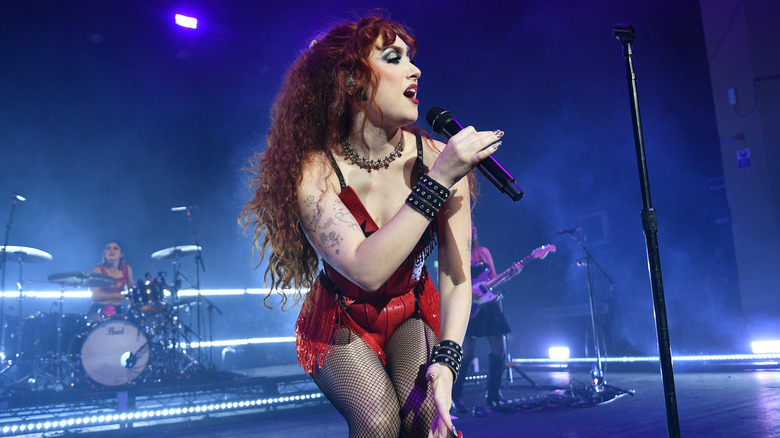
I didn’t go to graduation.
I missed a lot of what would have been the end of my childhood to do this job.”
Due to this, Atlantic Records terminated their contract with the singer.
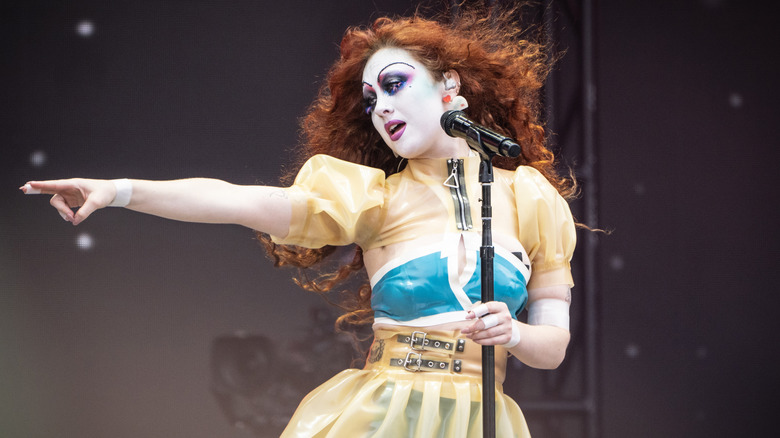
“And being independent has taught me I can do it by myself.”
“I was upset about my project not moving.
I felt stuck and like no one was paying attention to me,” Roan told Rolling Stone.
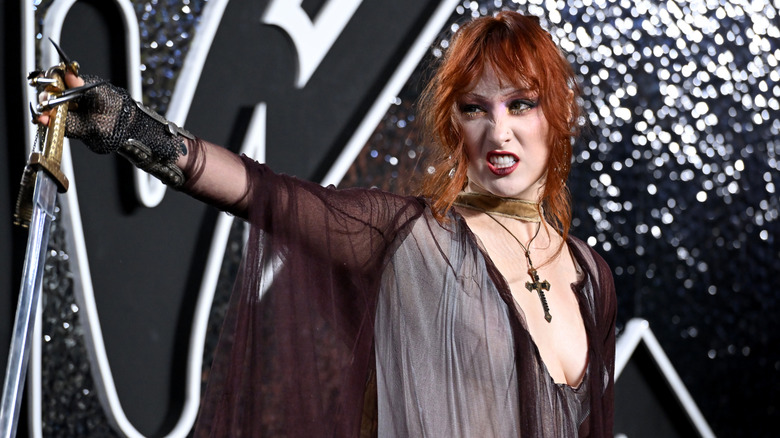
It was at that point when Nigro told her that she’d have to make her career happen herself.
In 2022, she opened up to her fans onInstagramabout having bipolar II disorder.
“It’s definitely been difficult to balance promoting and being consistently active on social media.
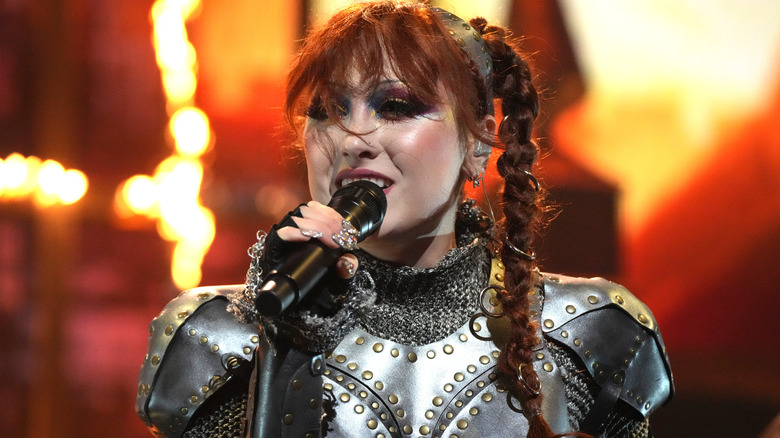
Roan isn’t the only celebrity to open up about their bipolar diagnosis.
“General Hospital” star Maurice Benardhas also talked about his journey with bipolar disorder.
“Everything that I really love to do now comes with baggage.
I’m just being honest that I’m just having a hard time today.”
A video of the raw moment was later shared onTikTokby her fans.
I already have difficulty regulating my emotions because I have bipolar 2 disorder.
“I don’t care that it’s normal.
That does not make it okay.”
Unfortunately, many othercelebrities have their own terrifying stalker stories.
Speaking out about fans respecting her privacy made some people feel she was being rude and ungrateful.
“They think I’m complaining about my success.
I’m complaining about being abused,” Roan defended herself to The Guardian.
Roan faced more fan backlash after canceling shows with short notice.
“She diagnosed me with severe depression which I didn’t think I had because I’m not actuallysad.
But I have every symptom of someone who’s severely depressed.”
The “Good Luck, Babe!”
But at the last minute, Roan pulled out due to her mental health struggles.
I want to be present when I perform and give the best shows possible” (viaVariety).
