The following article mentions addiction and domestic abuse.
So much so, Oscar-winning filmmaker Ron Howard felt compelled to direct the silver screen adaptation.
Vance’s complex relationship with his mother, Beverly Aikins, lies at the heart of the memoir.

This journey shaped by pain, anger, and forgiveness reveals a complex bond between mother and son.
Bowman eventually left the family, leaving Aikins to care forVance and his sisterby herself.
As Aikins recounted toThe New York Times, she started with Vicodin and then went to Percocet.
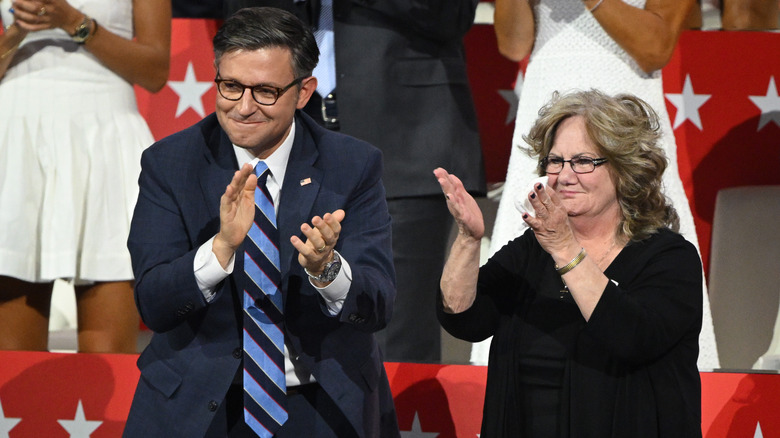
After losing her nursing license for taking drugs from the hospital where she worked, she began using heroin.
As Vance grew older, Aikins' addiction only worsened, and her behavior became increasingly erratic.
As Vance shared in his memoir, he dealt with his mother’s physically and emotionally volatile behavior..
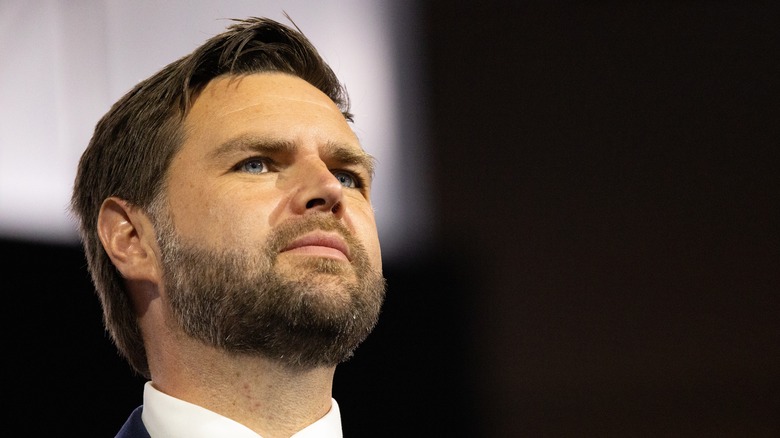
According to the politician, Beverly Aikins would have dangerous outbursts that could put their lives in danger.
This experience became a lasting memory for Vance and represented a significant turning point in his life.
When Vance was 12, Aikins was arrested.

When Beverly Aikins married her third husband, Bob Hamel, he adopted Vance.
However, they weren’t exactly one big happy family.
This fraught family dynamic stuck with him in a big way.
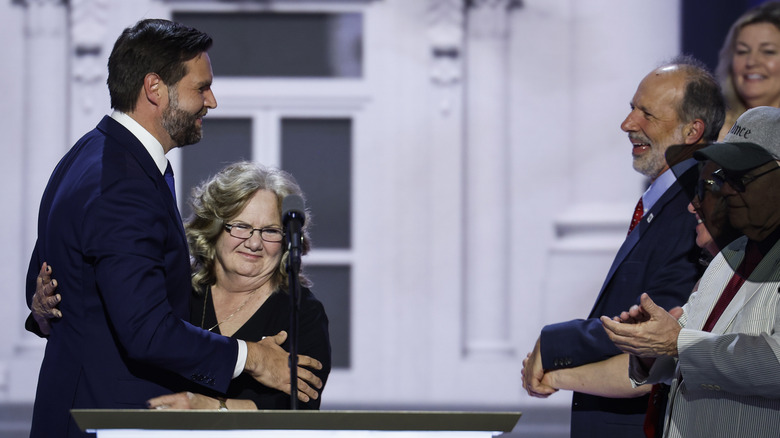
These experiences deeply shaped his views on family, relationships, and the importance of stability.
Since then, their relationship has only grown stronger.
As Aikins told theWashington Examinerin 2024, she’s taken on an active role as a grandmother.
I love you, Mom."
Their story reflects the toll addiction can take on family relationships.
But it also shows how healing, though difficult, is possible even after years of pain.
