The Super Bowl is an iconic symbol of American culture and identity.
“So you’ll have people who are not sports fans whatsoever tuning into the Super Bowl.
The NFL has done a really good job embedding itself into the American culture.”
Of course, there’s more to the Super Bowl’s cultural appeal than buff ballplayers and iconic commercials.
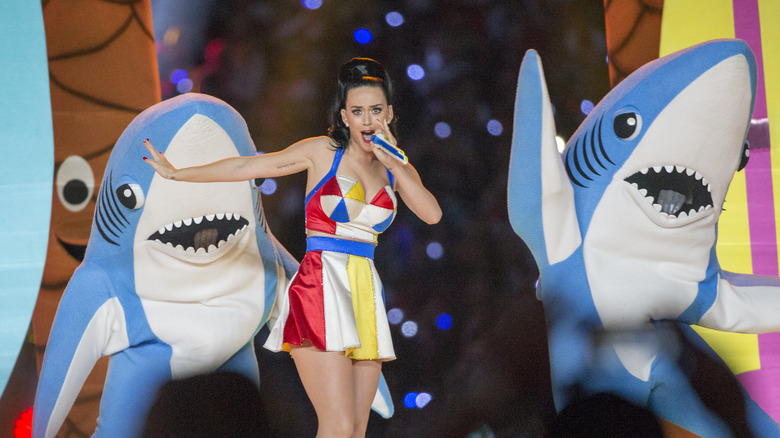
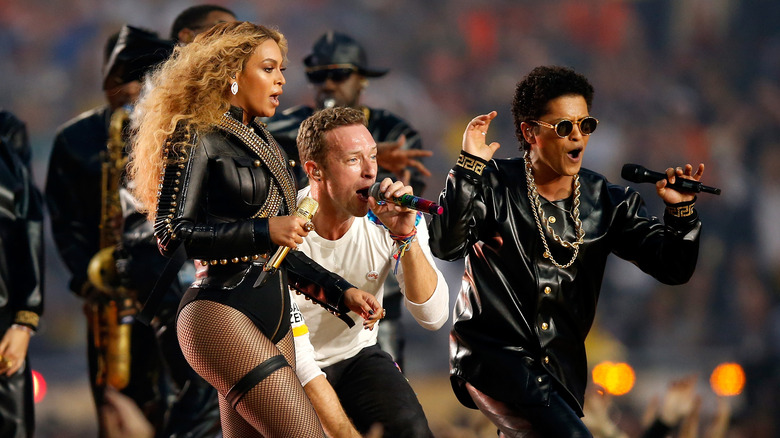
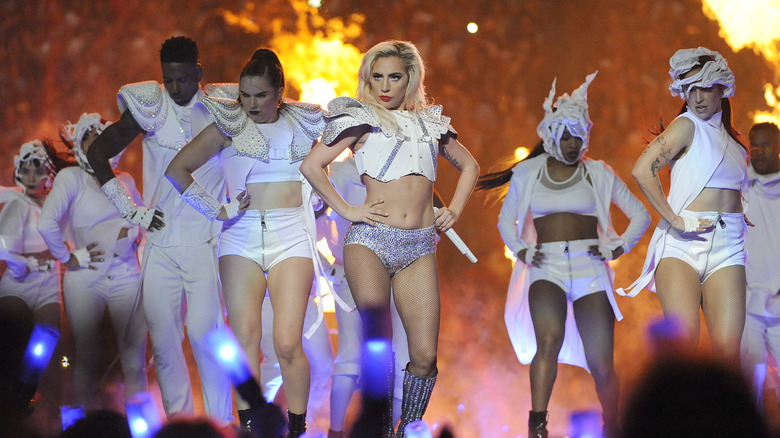
The halftime show is vital to Super Bowl fanfare, with powerhouse performances from the world’s biggest celebrities.
For many musicians, playing the halftime show is a career-defining moment.
But before taking the halftime stage, performers should memorize the playbook for putting on a successful show.
Otherwise, they could end up on the losing team.
As such, you might expect the NFL to pay performers a handsome salary for their work.
However, that couldn’t be farther from the truth.
Super Bowl performers aren’t paid anything for participating in the halftime show.
“We do not pay the artists,” an NFL spokesperson confirmed toForbesin 2016.
“We cover expenses and production costs.”
That said, halftime performers get plenty of perks, including massive exposure.
Domestically, there’s no bigger broadcast event than the Super Bowl.
In 2023, a record-breaking 115.1 million viewers watched the big game.
In 2014, Bruno Mars' first album saw a 303% increase in popularity following his halftime show.
Having the NFL cover your production costs is another major win for prospective halftime acts.
According toForbes, putting on a halftime show costs anywhere from $600,000 to $10 million.
This method allows the artist to optimize their set list while adhering to the show’s narrow time slot.
The result is a cornucopia of hits boiled down into about 15 glorious minutes.
For many artists, the pressures of creating a Super Bowl performance can be intense.
For some artists, the notion of mincing songs could be a dealbreaker.
“He said, ‘Nah, can’t do it.'”
Therefore, it’s no surprise that most artists have opted for uncontroversial halftime shows.
Still, for the most part, halftime artists prefer to steer clear of the potential for public backlash.
Aside from reputation damage, there could be legal consequences for offending Super Bowl audiences.
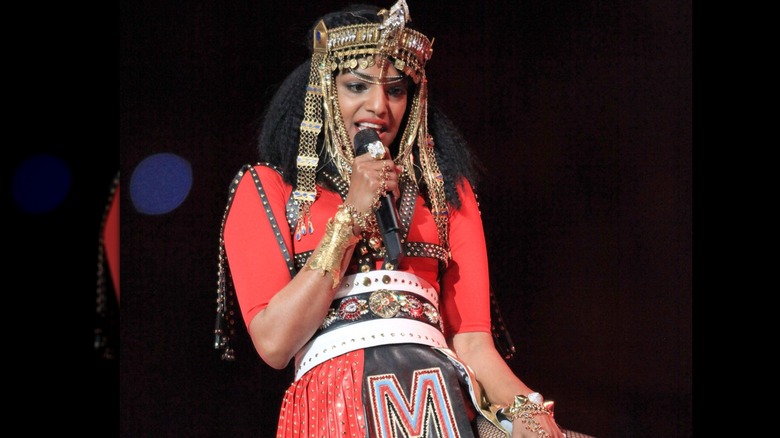
The gesture spurred hundreds of complaints to the Federal Communications Commission, prompting a public apology from the NFL.
Meanwhile, media outlets had a field day with MIA and her audacious middle finger.
The NFL responded to the incident by suing the Grammy-nominated musician for $16.6 million.
In 2014, the parties settled for an undisclosed amount.
“There’s not a lot of them that are named after gods and goddesses,” MIA explained.
“But the middle finger is specifically named Matangi the Matangi mudra.”
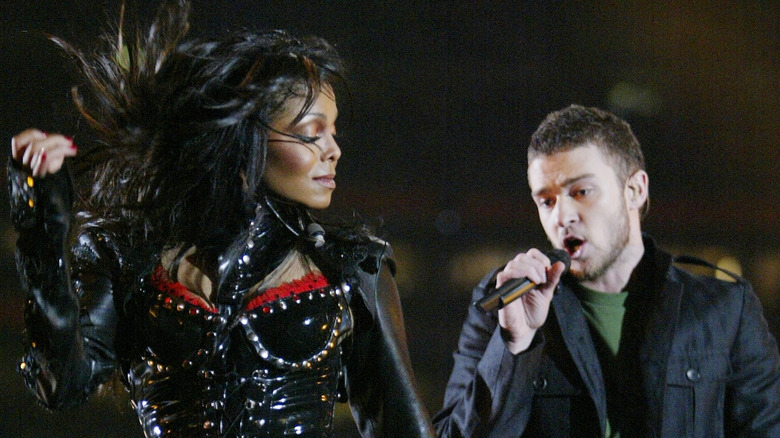
Days later, Jackson apologized, and her publicist explained that the wardrobe flub was an accident.
Nudity intentional or not is strictly prohibited by the NFL.
In this case, it also had legal consequences.
CBS and Viacom were sued by the Federal Communications Commission, but the case was eventually dismissed.
In 2004, Jackson was banned from the Grammys, and some radio stations boycotted her music.
In 2019, Maroon 5 frontman Adam Levine went shirtless during his halftime performance.
Unlike Jackson, he wasn’t condemned by the NFL or boycotted by the music industry.
In response, critics slammed the NFL and accused the league of appeasing white male performers.
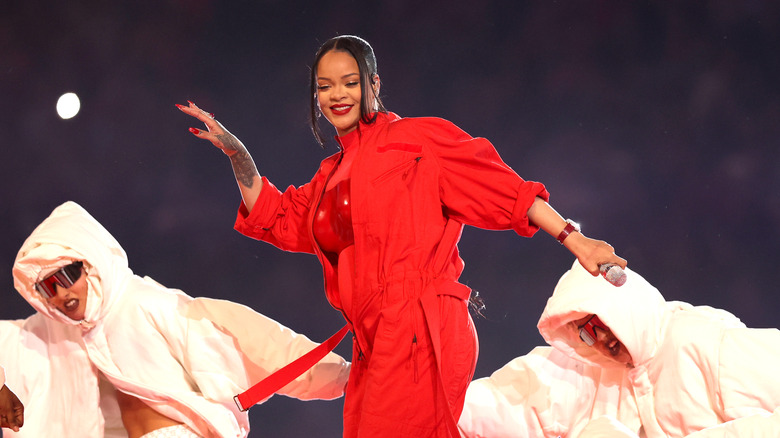
Not only are ads permitted, but performers can make a fortune from well-executed product placements.
The subtle ad was a massive success for RiRi’s beauty brand.
Additionally, the brand saw $5.6 million in earned media.
Factor in the live element, and you’ve got the potential for infinite things to go wrong.
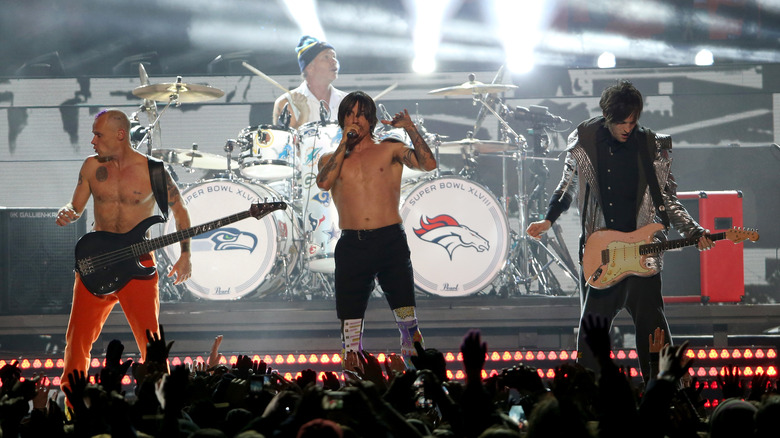
In most cases, bands must pantomime rather than play their instruments live.
(Frontman Anthony Kiedis reportedly still sang live.)
Yes, a number of singers do lip-sync, but that isn’t always the case.
“Most of the lead vocals are live,” audio engineer Patrick Baltzell toldThe Verge.
“Background vocals are always pre-recorded.
Most of the band is pre-recorded.”
The Rolling Stones, for example, played their entire set live instruments and all in 2006.
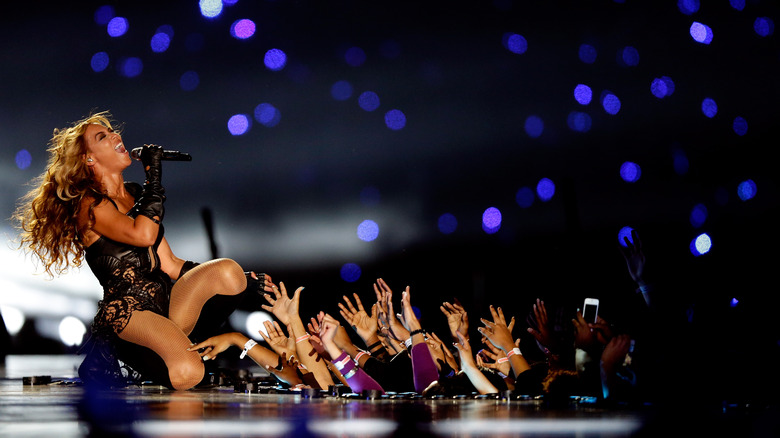
In 2013, Beyonce delivered nothing but live vocals.
Katy Perry, who headlined the show in 2015, apparently lip-synced only during her stunts.
How much time, exactly?
Minutes," Patrick Baltzell revealed to The Verge.
That’s six minutes to finish suiting up, take their place, and deal with any pre-show jitters.
During that six-minute window, hundreds of crew members rush to the field and put together the entire stage.
Between the artist and crew, pulling off a Super Bowl show truly is a team effort.
“Six minutes on and six minutes off the stage,” an NFL executive toldPopular Mechanics.
“There’s just no way to describe that other than sheer terror.”
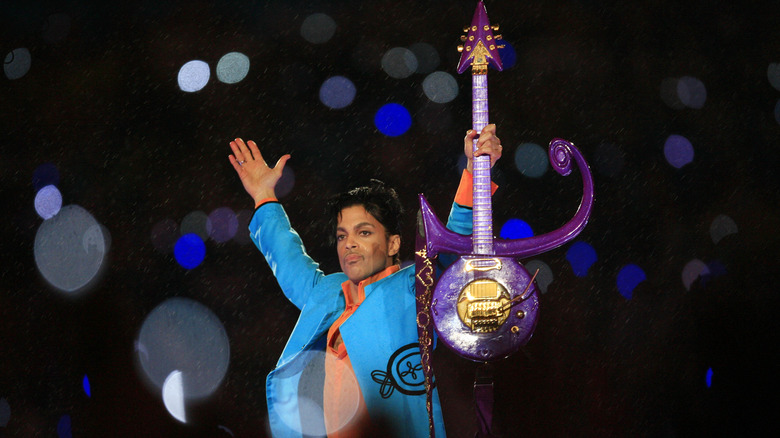
In 2007, Prince was preparing for his halftime gig in Miami when a turbulent rainstorm hit.
Despite the weather, the pop icon stayed committed to every detail of his live show.
Even the crew was mesmerized by Prince’s halftime show.
“That’s my favorite halftime show because it was almost prophetic.
I don’t care.
Bring it on.'”
But according to NFL bigwigs, controversial political statements are highly discouraged and they could even get you censored.
“Anything that detracts from that is not something that we should be focusing on.”
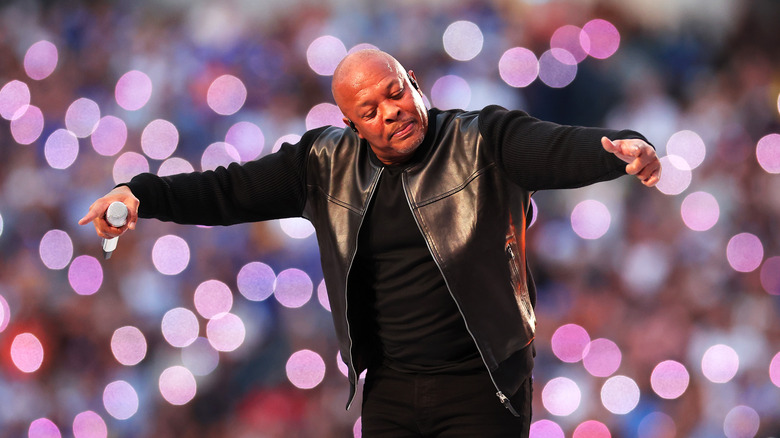
That’s what happened to Dr. Dre when he played the 2022 halftime show.
