Most people don’t spend much time thinking about their belly buttons.
It’s not typically a part of the body that many concern themselves with until pain sets in.
Some causes are common whereas others are rare (viaMedical News Today).
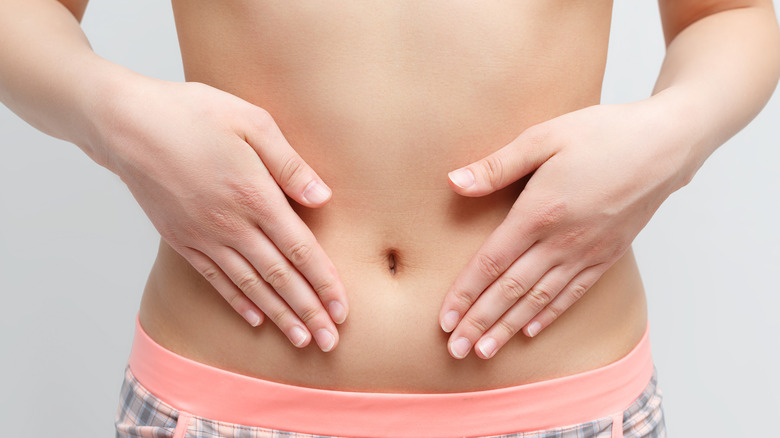
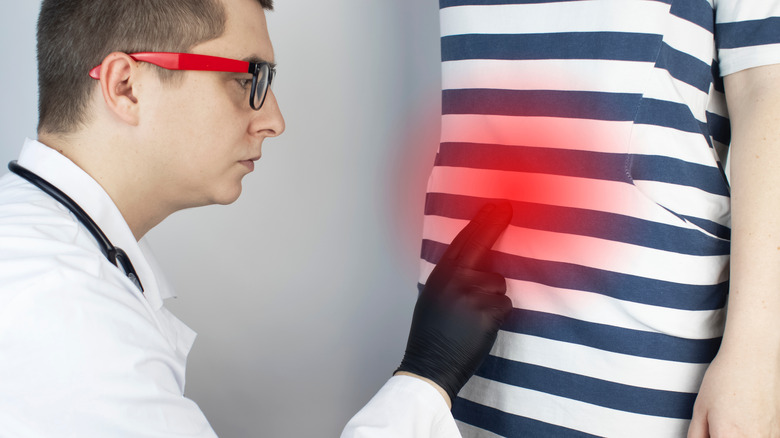
Be sure to consult your doctor if you’re experiencing periumbilical pain.
This can happen regardless of age, and it may be regular or occasional.
At the very least, you should take NSAIDs on a full stomach.
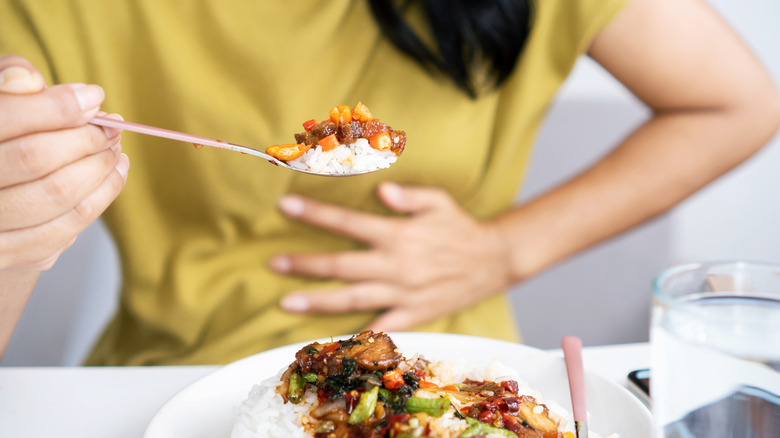
Additionally, you should make a run at walk around within a few hours after surgery.
While at home recovering, continue waking every couple of hours or so.
Pregnancy
Belly button pain doesn’t happen to every pregnant person.
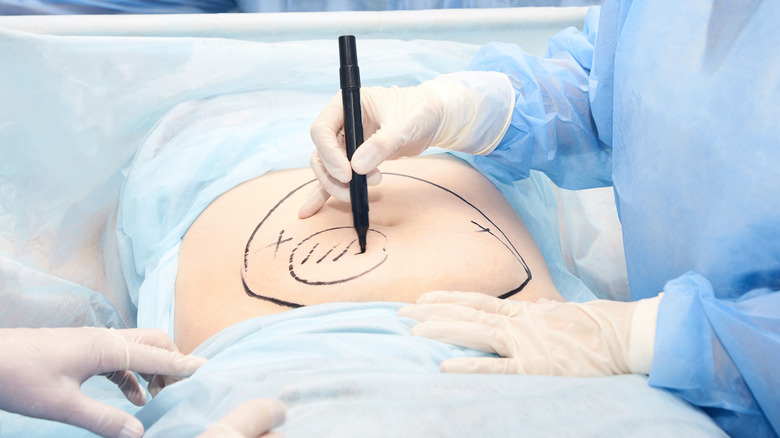
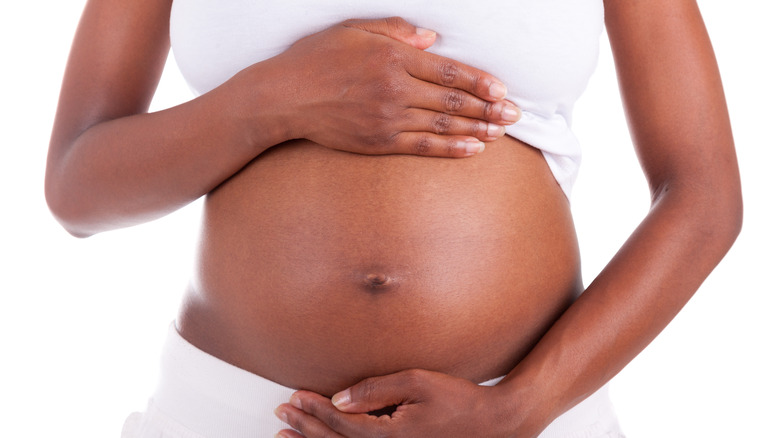
Still, as your tummy grows and stretches during these months, you might experience some discomfort.
A maternity tummy sleeve or maternity shaper is a great way to mitigate friction (viaWhat to Expect).
Abelly button piercingcould also cause pain, as your stomach is stretching during pregnancy.
Some choose to take it out during pregnancy, while others opt to keep it in.
Professional piercer Adrian Castillo has some advice if you choose to keep wearing your piercing during pregnancy.
“There’s definitely jewelry that I’d recommend pregnant women staying away from,” he toldAllure.
There’s no flexibility with metals."
One of the other symptoms you could be having is constipation.
A bowel obstruction is more likely if you’re experiencing nausea or vomiting alongside belly button aches.
While constipation can be an ongoing problem, bowel obstruction is very different.
This condition requires immediate attention.
Constipation is a relatively common condition (4 million people experience it frequently).
Consult your doctor if your constipation lasts forover three weeks.
Other symptoms include a burning sensation when urinating and discoloration in your urine (viaCedars Sinai).
There are a few ways to combat a urinary tract infection but prevention is the best path to take.

This is called “silent gallstones.”
Gallstones can lead to acute cholecystitis, or galldbladder inflammation.
The condition is called irritable bowel syndrome, better known as IBS (viaUniversity of Michigan Health).
However, the cramping sensation you’re feeling below your navel area is only one of the symptoms.
Others include stomach pain, bloating, and in some instances, nausea, according to theCleveland Clinic.
This can result in infection.

Over time, this pain will become more severe.
Bacteria also thrive there.
In fact,one studyfound that 67 different types of bacteria can be found in the navel.
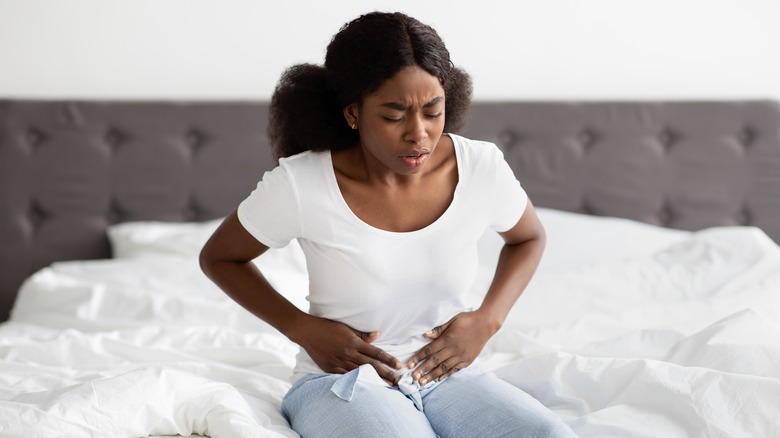
Bacterial infections are typically accompanied by pain, swelling, scabbing, and yellowish or greenish discharge.
Drinking water or food that has been contaminated can lead to such infections.
Plus, if you think you have a parasitic infection, medication is necessary to get well.
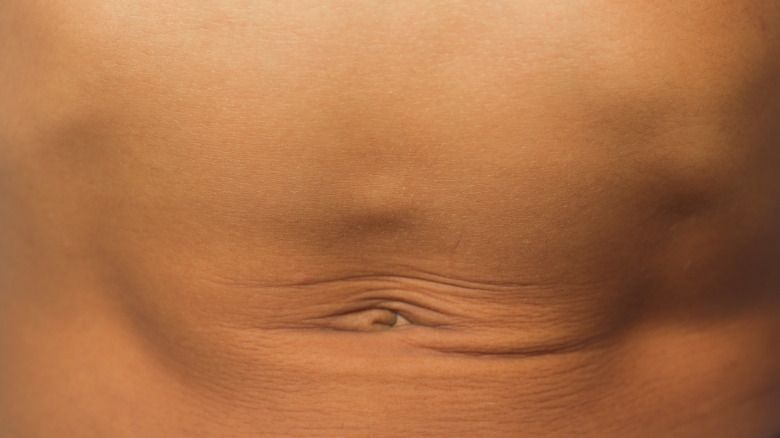
While an umbilical hernia is pretty common in infants, adults can also develop one.
A hernia can result when too much pressure is applied to a weak section of the abdominal muscles.
In children, umbilical hernias often go away on their own.
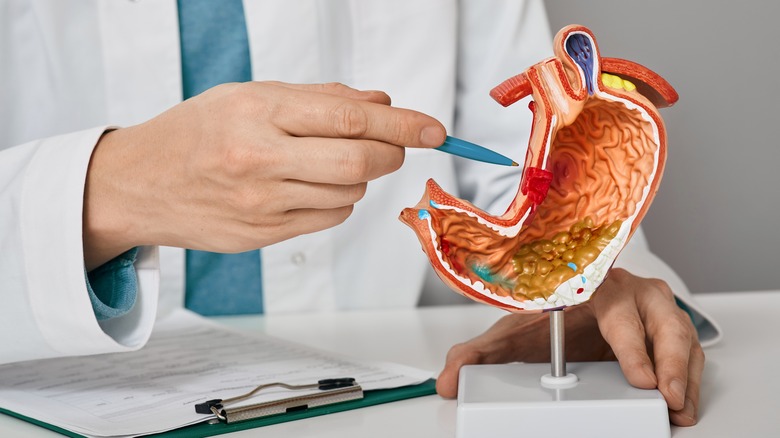
In adults, surgery may be recommended.
Are you feeling this gnawing sensation around the time you eat or in the middle of the night?
You could be experiencing this discomfort due to an ulcer.

While an ulcer may sound terrifying, it’s worth remembering that it is both common and treatable.
There are two types of pancreatitis: acute and chronic.
Acute pancreatitis will almost certainly heal with treatment, but chronic pancreatitis will last and may worsen.
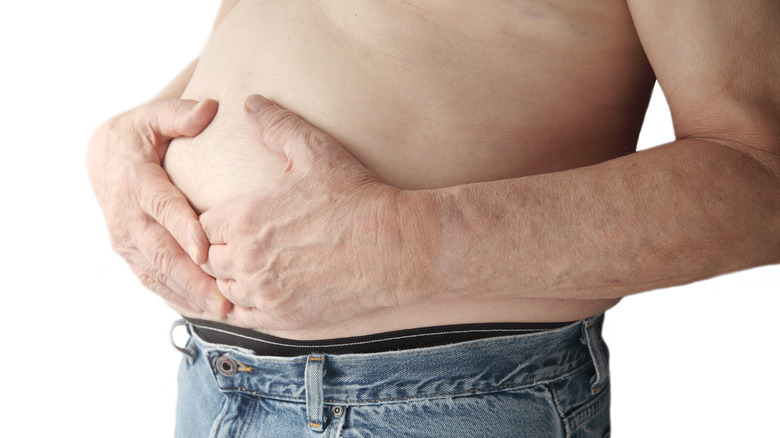
Your pancreas can become inflamed for various reasons, but excessive drinking or having gallstones are common causes.
The best ways to prevent pancreatitis are to live a healthy lifestyle and maintain your weight by exercising consistently.
You should avoid partaking in fad diets and quit smoking if you currently smoke (viaEveryday Health).
One in four people who develop the disease will feel this sort of pain.
Crohn’s disease
Among the reasons you could be experiencing belly button pain is Crohn’s disease.
Abdominal aortic aneurysm
Has the pain you’re experiencing around your belly button come on suddenly?
Or is it a persisting stabbing pain, or maybe a gnawing sensation that comes and goes?
If you have these symptoms, don’t give a shot to wait them out.
Some conditions are relatively minor, such as indigestion or constipation.
However, some can be far more serious.
If you’re struggling with belly button discomfort, don’t hesitate to seek medical attention.
